
Reviewed · POMPEII TOURS
Pompeii Skip-the-Line Tour with Expert Archeological Guide
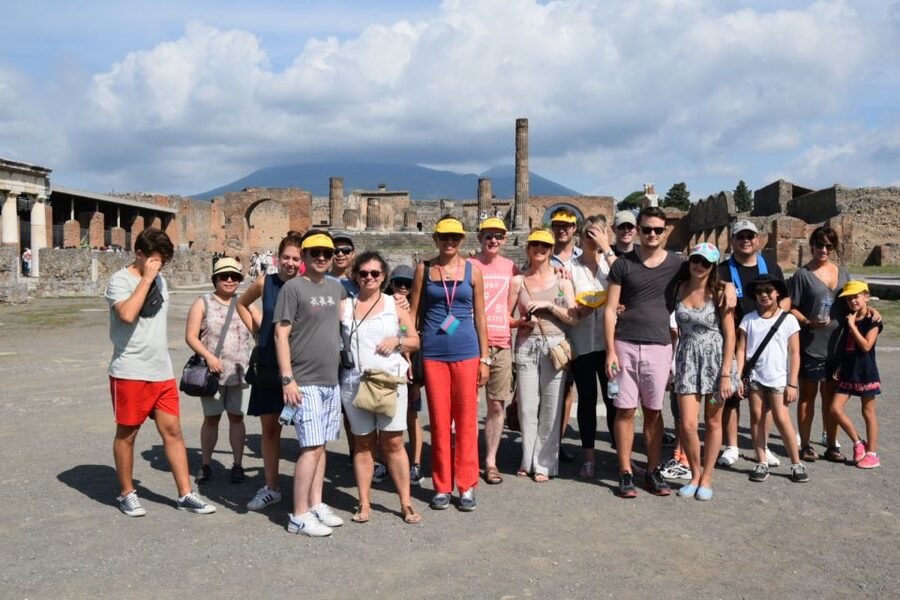
Pompeii works best when someone helps you read it. This skip-the-line tour gets you into the ruins quickly, and the licensed archaeologist guide keeps the story grounded in what you can actually see on the ground. One consideration: the headset situation can be a little uneven, and you may have trouble hearing if yours fits poorly.
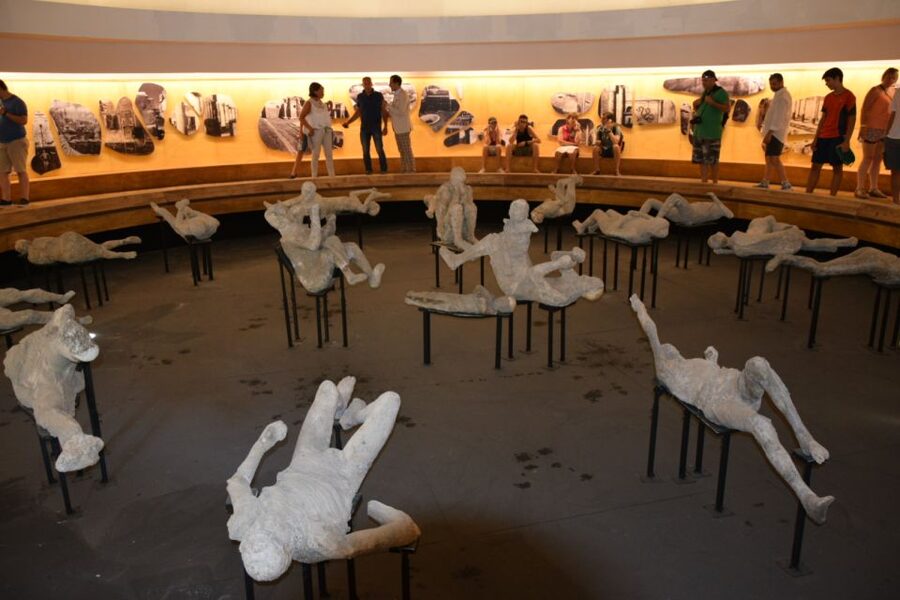
I also like how the route balances big-name sights with the everyday stuff, so you’re not just hunting for photos. You’ll walk past spaces that show Roman routines, including the moving plaster casts of the victims from Vesuvius in 79 AD, and you’ll even stop at a working cameo workshop where artisans carve shell by hand.
Key highlights worth caring about
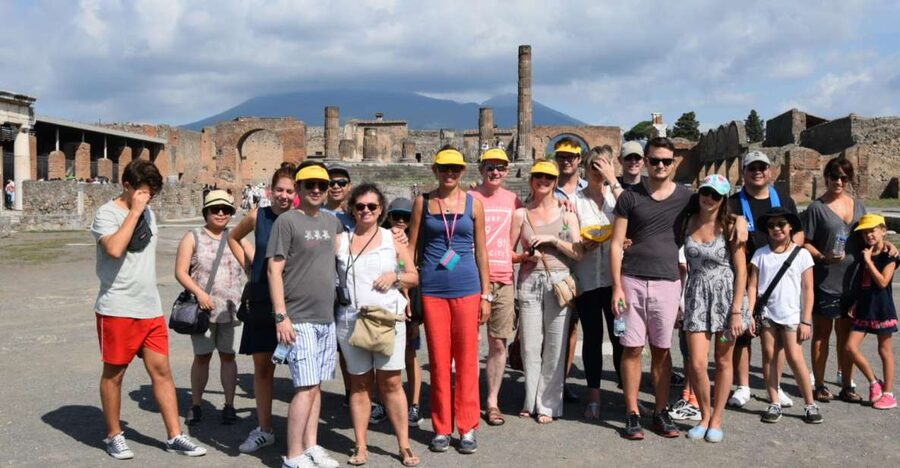
- Skip-the-line entry saves time so your 2-hour walk stays focused on key areas
- Archaeologist-led storytelling ties temples, villas, shops, and street life to daily Roman habits
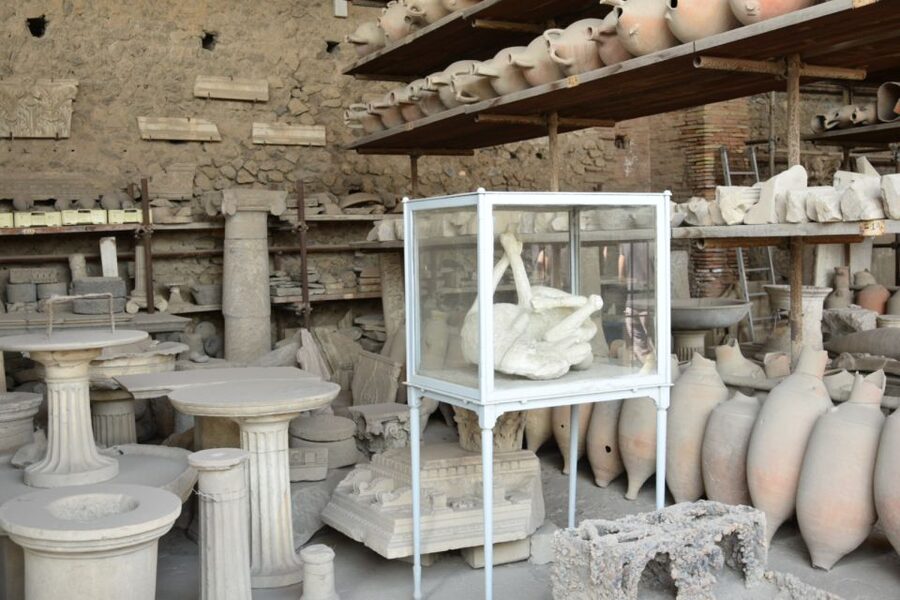
- Victim plaster casts add an emotional, human scale to the ruins you’re seeing
- Cameo workshop stop lets you watch skilled carving and browse the shop afterward
- Route includes homes plus public life like bathhouses, markets, and the Forum area
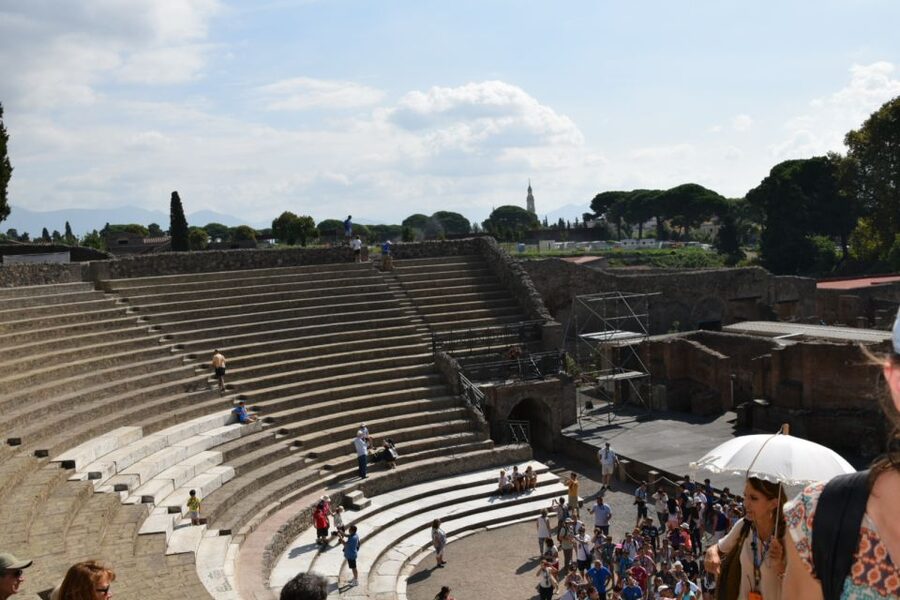
- Photo stops are built in for quick Temple of Jupiter and Teatro Piccolo moments
Pompeii, read like a real city in 2 hours
If you only have a short window in Campania, you want a plan that keeps you moving but not confused. This tour is set up to do exactly that: about 2 hours inside Pompeii, guided, with a “hit the main beats” approach. You’ll cover major zones, then connect the dots between religious buildings, rich households, everyday commerce, and public baths.
What makes Pompeii special is also what makes it hard. The ruins are striking, but they can blur together if you don’t know what you’re looking at. With an archaeologist leading the walk, you’re not just viewing stone. You’re learning why people lived, shopped, prayed, relaxed, and gathered where they did.
And because it’s skip-the-line, you spend less time stuck at entrances and more time walking. That matters in Pompeii, where the site feels big even when you are covering only the highlights.
More Pompeii tours to compare:
- Pompeii: Entry Ticket and Guided Tour with an Archaeologist
★ 4.8 · 19,459 reviews - Pompeii: Small Group Tour with an Archaeologist
★ 4.8 · 12,264 reviews - Pompeii: Skip-the-Line Entrance Ticket with Audio Guide
★ 4.0 · 2,509 reviews
Finding Fortuna Village Pompei, and getting started without stress
Your meeting point is outside the entrance of Fortuna Village Pompei, and the guide holds a sign with the company name. No pickup or drop-off is included, so you’ll be responsible for getting yourself to that spot.
This kind of meeting point setup is simple, but it can still be chaotic in real life. Pompeii area roads and crowds can make it harder to locate the exact gate, and timing can slip if you’re arriving at the last minute. My advice is boring but effective: arrive early and give yourself buffer time to confirm you’re with the right guide.
Also note that the tour is not suitable for wheelchair users or people with mobility impairments. Even with a guided route, Pompeii’s terrain includes uneven stone and lots of walking.
The route, in plain terms, from theatre to temples
This tour moves through a sequence of stops that builds a quick mental map of Pompeii.
Large Theatre and Teatro Piccolo: public space first
You start with quick looks at the Large Theatre (about 5 minutes) and then Teatro Piccolo as a photo stop (also about 5 minutes). These are good early anchors because they show public entertainment and civic culture right away.
The drawback of theatre stops that are brief is simple: you won’t linger long enough to soak in everything visually. But the point here is orientation. You’ll get enough context to understand what comes next when you transition into markets, houses, and the Forum area.
A few more Pompei Campania trips worth comparing
- Pompeii: Skip-the-line-Ticket and Guided Tour
★ 4.6 · 1,152 reviews - Pompeii: Guided Tour with Skip-the-Line Entry
★ 4.9 · 812 reviews - Pompeii: Skip-the-Line Entry Ticket with Digital Guide App
★ 4.1 · 770 reviews - Pompeii: Afternoon to Sunset Guided Tour with Ticket
★ 4.9 · 484 reviews
Thermopolium and everyday food culture
Next comes a Thermopolium stop (about 5 minutes). This matters because it’s not “royal Pompeii.” A thermopolium is the kind of street-level place where people grabbed hot food and drink. That small detail helps the ruins feel less like a museum and more like a working town.
If you like travel that connects food, daily life, and real neighborhoods, this stop is one of the best “short and sweet” moments on the route.
Foro Civile di Pompeii: the civic center you’ll keep seeing
You then head to Foro Civile di Pompeii for around 10 minutes. The Forum area is the social engine of the city. Even when you’re not deep into Roman politics, you can read the space as the place where people met, sold, argued, and gathered.
This stop is where the archaeologist’s job really shows. You start to understand how the city’s public life was organized, not just where random buildings happen to be.
Houses of Vettii and Menander: wealth, taste, and what the walls were saying
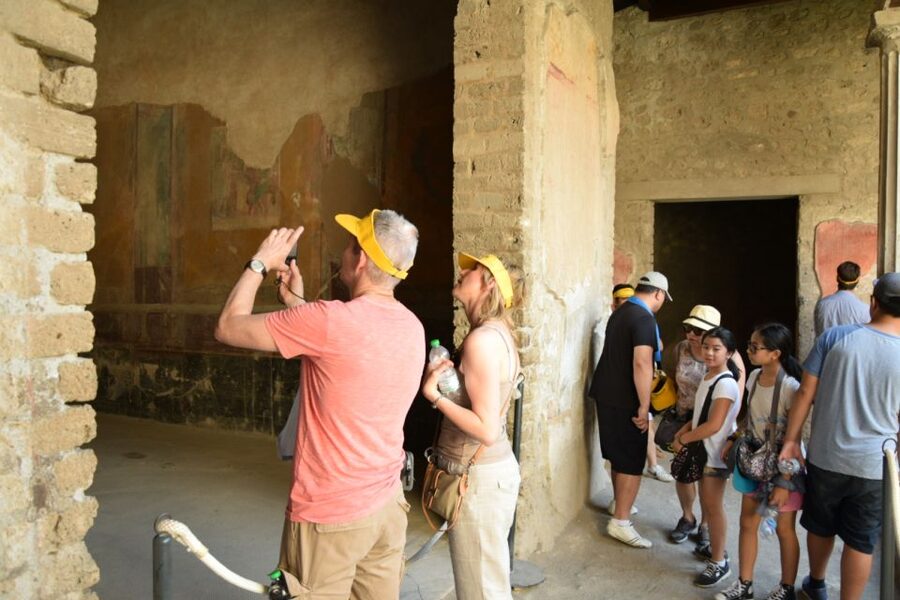
The tour spends real time in two major residences: the House of the Vettii (about 20 minutes) and the House of Menander (about 20 minutes).
These are ideal stops for anyone who wants Pompeii to feel human. Villas in Pompeii weren’t just “big houses.” They were statements about identity, status, and how comfortable daily routines could be.
A few practical thoughts so you enjoy this section:
- Wear comfortable shoes. You’ll move through doorways, courtyards, and uneven flooring.
- Bring your camera, but also look up. The detail is partly in how spaces are laid out, not only in what’s inside museum-style.
The value of these homes on a guided route is that you learn what to notice. Without guidance, it’s easy to treat them like beautiful backdrops. With a guide, you understand how people used rooms and pathways, and why decorative choices mattered.
Forum Baths, Macellum, and the commerce of daily life
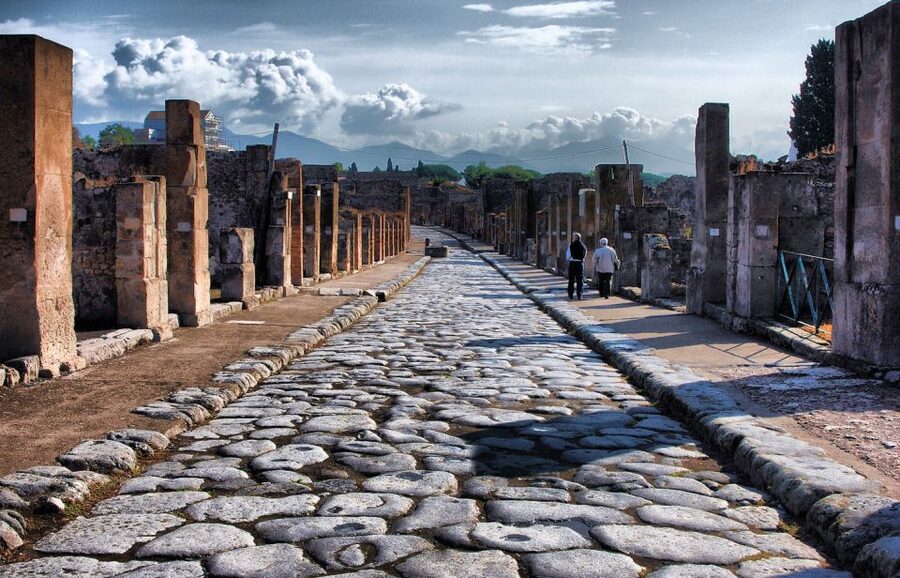
After the villas, the tour brings you back into the rhythms of the city through places like:
- Forum Baths (about 20 minutes)
- Macellum of Pompeii (about 10 minutes)
Baths are a big deal in Roman culture, and seeing them in a Pompeii route helps you connect public life to health, socializing, and even gossip. If you’ve ever wondered why Romans built leisure into daily routines, this is the part that answers that question with actual stone.
Then there’s the Macellum, the market hub. This stop is where Pompeii starts to feel like a town you could have visited if you’d lived 2,000 years ago. Markets show routines and community, and they also explain how food, goods, and local politics would overlap.
There’s also a strong chance you’ll run into references to preserved spaces associated with nightlife and adult life. The highlight list includes preserved brothels, so expect the guide to talk about that side of Roman street culture in context when the route allows.
Temples of Jupiter and Apollo: quick stops, big meaning
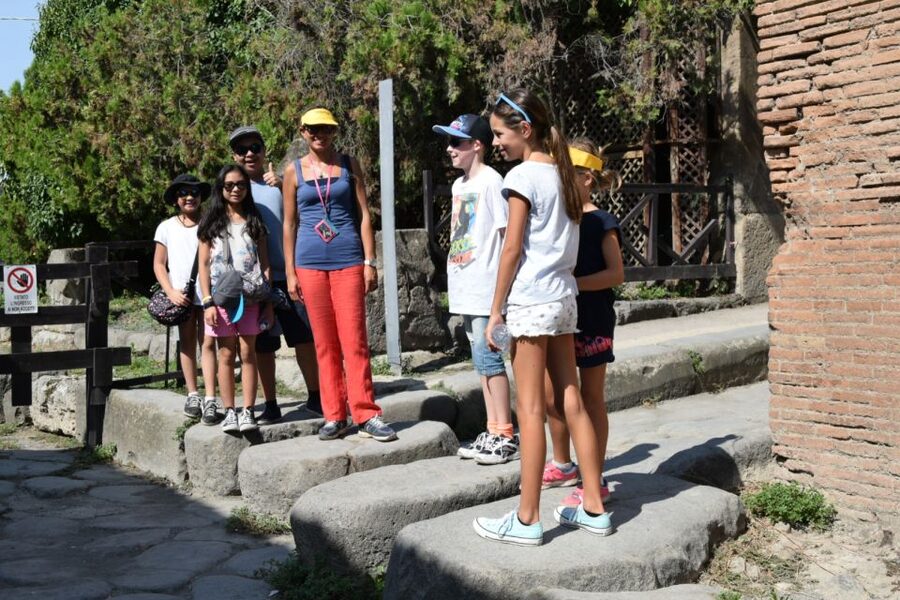
You’ll make photo stops at the Temple of Jupiter (about 5 minutes) and then visit the Temple of Apollo (about 10 minutes).
These temple stops are brief, but they’re not empty. In a short tour, temples are how you learn what the city valued spiritually and socially. The main win here is having the guide frame what you’re seeing, so the buildings stop being “ancient rocks” and start being symbols tied to community life.
The plaster casts: the emotional center of the walk
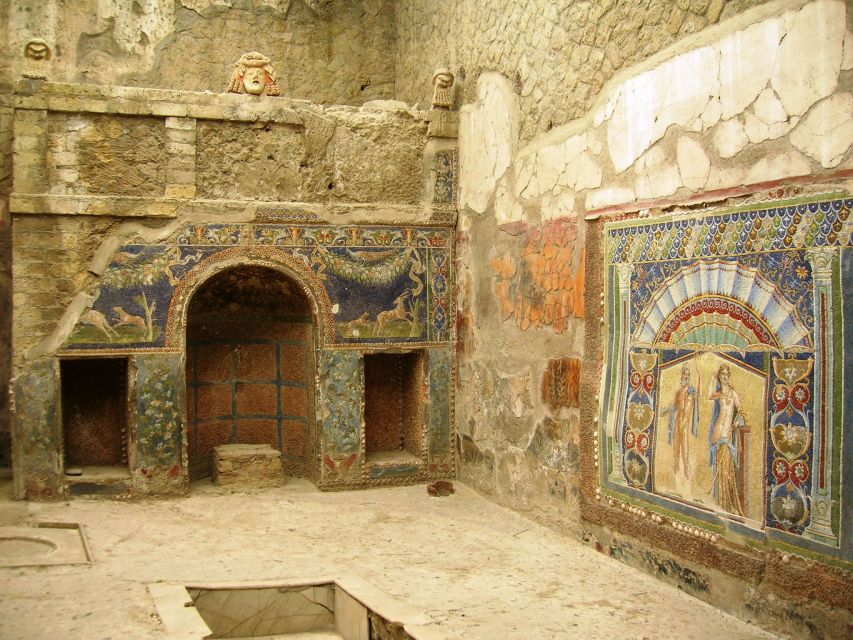
At some point during your walk, you’ll encounter the moving plaster casts of the victims of the Vesuvius eruption in 79 AD. This is the part of the tour that hits hardest, and it’s also where the guided explanation matters most.
When you see these casts, the city stops being an archaeological site and becomes a tragedy made real. I find that having a guide nearby keeps the tone respectful and helps you understand why the casts were made, and what they represent.
If you prefer quieter moments, this is where you might slow down and take your time. Even if the group keeps moving, you’ll feel the weight of this section more than any single ruin.
Cameo workshop stop: small crafts, sharp details
Before or around the ruins section, the tour includes a stop at a traditional cameo workshop. You can watch artisans carve delicate shells by hand, and there’s also a shop where you can browse.
This stop is useful in two ways. First, it breaks the “only ruins” feeling and resets your attention. Second, the cameo craft is visual and hands-on in its own way, so you come away with a cultural memory that doesn’t rely on architectural photos.
The tour also includes a restroom break. In Pompeii, that matters more than it sounds. You’ll be walking and standing in sun, and having one planned pause makes the rest of the route easier to enjoy.
Small group pace, and the headset reality check
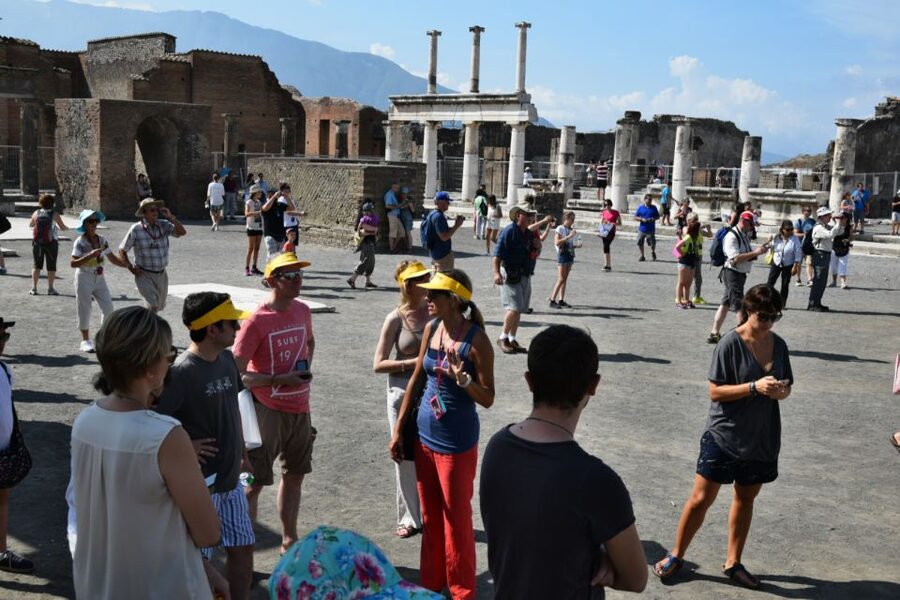
The tour is designed as a small group, and it’s offered in multiple languages: English, Italian, Spanish, and French. If the minimum group requirements aren’t met, you may be provided with an audio guide, so the experience shifts from live narration to recorded assistance.
One practical tip from real-world experience with tours like this: sound is everything in ruins. The headset gear, when provided, can be uncomfortable for some people and may not fit every ear well. I suggest you take a minute at the start to get it positioned correctly, then move closer to your guide during the most important explanations.
If you find the headset annoying, don’t fight it for an hour. Instead, stand nearer the front where you can still catch the guide’s voice over the crowd and wind.
Value for money: what $31 buys you here
At $31 per person for a 2-hour Pompeii guided visit with skip-the-line entrance and an archaeologist, you’re paying for three things:
- time saved at the entry point
- expert guidance that helps you understand what you’re seeing
- access to key Pompeii zones in a tight schedule
Is it the cheapest way to visit Pompeii? Probably not. But it’s not trying to be. This tour is aimed at getting you from overwhelmed to oriented fast. If Pompeii is on your “must do” list and you don’t want to guess your way through it, the value is strong.
Where it can be less satisfying is if you want a slow, wander-only visit or you already know Pompeii deeply and don’t need a structured route. In that case, you might prefer spending extra time on your own.
Timing, crowds, and why your exact minutes may shift
The itinerary can be adjusted based on crowd levels and site access. That’s normal at Pompeii, and it’s one reason guided tours feel “smooth” even when the rest of the day feels chaotic.
In practice, this means you should expect your exact order and stop durations to vary a bit. You’ll still hit the major areas, including temple and villa zones, markets, and the Forum area.
My suggestion: if you’re trying to connect this visit to a broader day plan, don’t schedule a “must be there on time” activity right after. Leave breathing room for delays that happen around tour check-in and walking.
Who should book this Pompeii skip-the-line tour?
Book it if:
- You want Pompeii to make sense fast
- You like guided context for temples, villas, and civic areas
- You want a structured route that covers both public life and private homes
- You appreciate an added craft stop at a cameo workshop
Skip it if:
- You cannot do long, uneven walking (the tour is not suitable for wheelchair users or people with mobility impairments)
- You prefer total freedom over a set route
- You need a quiet, unstructured visit with lots of lingering (this is time-boxed at about 2 hours inside)
Also, if you’re traveling as a family, the tour can work well because it includes multiple types of stops, not just ruins blocks. Just know that site admission is free for children under 18 with valid ID, but you still have to plan around site entry rules.
Should you book it?
I think this is a solid pick for first-timers who want Pompeii without the stress. The combination of skip-the-line entry, a licensed archaeologist guide, and a route that covers villas, the Forum area, bath life, and temple zones makes it a strong value at $31.
The main reason to hesitate is audio comfort and timing variability. If you’re picky about hearing the guide clearly, arrive early, confirm the meeting point, and position yourself well during narration. If that sounds manageable, this tour gives you a fast, smart start to one of Italy’s most unforgettable sites.
FAQ
Where is the meeting point for this tour?
You meet the guide outside the entrance of Fortuna Village Pompei. The guide holds a sign with the company name.
How long is the Pompeii guided portion?
The guided tour lasts about 2 hours inside the ruins.
Is this tour skip-the-line?
Yes. It includes Pompeii skip-the-line entrance.
What languages is the live guide available in?
The tour is available with a live guide in English, Italian, Spanish, and French.
Is the tour wheelchair accessible?
No. It is not suitable for people with mobility impairments and it is not suitable for wheelchair users.
What is the cameo workshop stop?
You get a brief stop at a traditional cameo workshop, where you can watch artisans carve delicate shells by hand and visit the workshop shop.
Are there any rules about when Pompeii is free?
Yes. Admission to the archaeological site is free on the first Sunday of each month, but tickets cannot be reserved ahead of time, so entry is not guaranteed.
Recently reviewed around Pompei Campania
- From Sorrento: Pompeii with an Archaeological Guide & Ticket★ 4.6 · 19 reviews
- From Positano: Pompeii Ruins Small Group Guided Tour★ 4.8 · 82 reviews
- Pompeii Positano Amalfi Day Trip from Rome by Car, No Bus!★ 5.0 · 5 reviews
- Pompeii VIP 3h Tour: Skip-the-line with your Archaeologist★ 4.9 · 13 reviews
- Pompeii & Virtual Museum Private 2-in-1 Kid’s Tour★ 4.9 · 9 reviews
- Pompeii & Vesuvius★ 4.3 · 12 reviews
- From Naples: Pompeii Wheelchair-accessible with a Guide★ 5.0 · 8 reviews
- Pompeii Skip-The-Ticket-Line Tour with an Archeologist★ 5.0 · 14 reviews
Pompeii Tours, compared.
Entry Ticket and Guided Tour with an Archaeologist
Read our review →

Pompeii Small Group Tour with an Archaeologist
Read our review →
Skip-the-Line Entrance Ticket with Audio Guide
Read our review →
Pompeii and Mt. Vesuvius with Lunch and Wine Tasting
Read our review →
Archaeological Park Tour with Ticket on request
Read our review →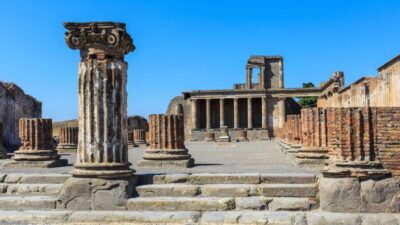
Browse the lists this tour appears in