
Reviewed · POMPEII TOURS
Pompeii: Guided Tour with Archaeologist with max. 12 People
Pompeii is one of those places where the ruins can feel like a maze, unless someone helps you read the city. This guided tour is interesting because you’re not just walking from sight to sight, you’re learning how Roman life worked right where it happened. I like the small group size (max 12), which makes it easier to ask questions and stay together. I also like that you get an archaeologist guide, not just a script, so the details about daily routines and the AD 79 tragedy actually click. One possible drawback: it’s a lot of walking on uneven ground, and it is not suitable for mobility impairments or wheelchair users.
You start at Ristorante Suisse (your guide waits with a sign with your name), and you’ll get express entry to Pompeii. If you’re in a group larger than 8, you’ll use headsets, which helps when the site gets noisy and crowded.
Key highlights I’d plan around
- Archaeologist-led storytelling tied to what you’re literally standing on
- Max group size of 12, so you get conversation, not a lecture
- Skip-the-line entry plus time on-site beyond the tour
- Route built around major highlights: baths, lupanare, forum, and victim plaster casts
- Comfort-first pacing reported by many visitors, including finding shade on hot days
Pompeii with an archaeologist, not a script
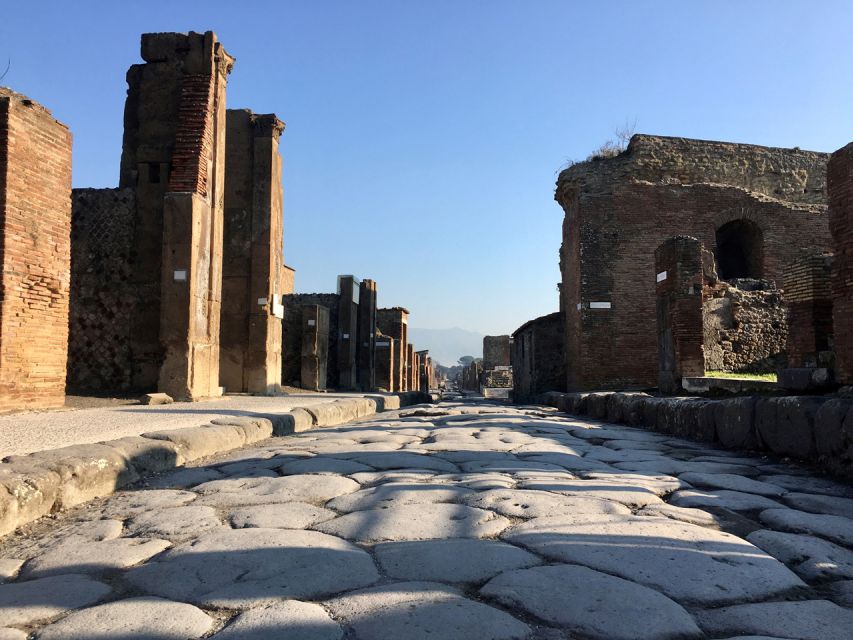
Pompeii is famous for one dramatic reason, the eruption of Vesuvius in AD 79. But what makes the site so powerful is the quiet leftovers: street stones, shopfronts, household art, public buildings, and the human shapes preserved in plaster casts. This is where you start to understand Roman city life beyond names and dates.
That’s why I think the archaeologist part matters. A guide who works with the material can explain what you are seeing and what you cannot confidently know. You also get context for why certain rooms, public spaces, and artworks were designed the way they were. It turns the ruins from scenery into evidence.
And because the tour is set for a short, focused visit, you don’t waste time figuring out where to go next. Pompeii is big, and without help it’s easy to bounce around randomly and miss the “why” behind the layout.
More Pompeii tours to compare:
- Pompeii: Entry Ticket and Guided Tour with an Archaeologist
★ 4.8 · 19,459 reviews - Pompeii: Small Group Tour with an Archaeologist
★ 4.8 · 12,264 reviews - Pompeii: Skip-the-Line Entrance Ticket with Audio Guide
★ 4.0 · 2,509 reviews
Price and time: $65 for 2 hours, with real extras
At $65 per person, this is not a bargain-tour price, but it’s also not priced like a private car and driver day. The value sits in what is included.
You get:
- An archaeologist guide
- Express entry to Pompeii
- Headsets if the group is more than 8 people
- Free time to explore the archaeological site after your guided portion
Two hours sounds short until you’re on the ground. Pompeii can drain you fast with the walking and the heat. A tight route with the right stops helps you come away with an understanding of the city, not just a handful of photos.
The other quiet value is navigation. Several people have pointed out that Pompeii does not guide you the way you expect, so having someone who knows the site layout saves you mental energy. In practice, that means more “Oh, I get it” moments during the walk.
Meeting at Ristorante Suisse, then skipping the ticket line
Your guide meets you at Ristorante Suisse. The guide waits for you with a sign showing your name, which is a helpful detail when you arrive in Pompeii and the crowd noise ramps up fast.
You’ll also have express entry, so you are not stuck in a long ticket line while the day gets hotter. That’s not glamorous, but it’s smart. In a place where you’re outside for hours, time matters.
Before you go, do yourself a favor and bring your ID. The ticket is named, so you must provide the first and last names of all participants after booking. Also, you’ll need the passport or ID card in original form.
Porta Marina Inferiore and the city comes into focus
The tour begins at Porta Marina Inferiore, which is a good start because it anchors you in how the city connects to the outside world. From there you move toward the theater area, which is a reminder that Roman life wasn’t only work and chores. Public entertainment, assembly, and city rhythms mattered.
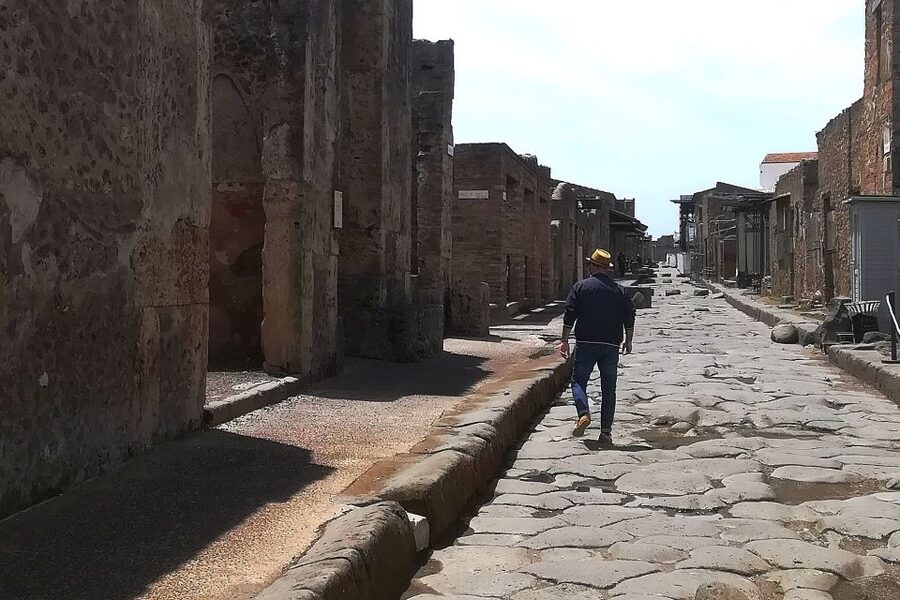
Then the route starts building a picture of a real Roman street: you walk beside shops and commercial spaces. You’ll pass spots linked to Roman bakeries and snack bars, and even when the structures are fragmentary, your guide helps you understand what the business was like and who would have used it.
This section works best if you let your brain do small comparisons. Look for where doors would open, where foot traffic would flow, and how a street could serve both daily needs and public life.
A few more Pompei Campania trips worth comparing
- Pompeii: Skip-the-line-Ticket and Guided Tour
★ 4.6 · 1,152 reviews - Pompeii: Guided Tour with Skip-the-Line Entry
★ 4.9 · 812 reviews - Pompeii: Skip-the-Line Entry Ticket with Digital Guide App
★ 4.1 · 770 reviews - Pompeii: Afternoon to Sunset Guided Tour with Ticket
★ 4.9 · 484 reviews
House of Menander: frescoes, mosaics, and how private life looked
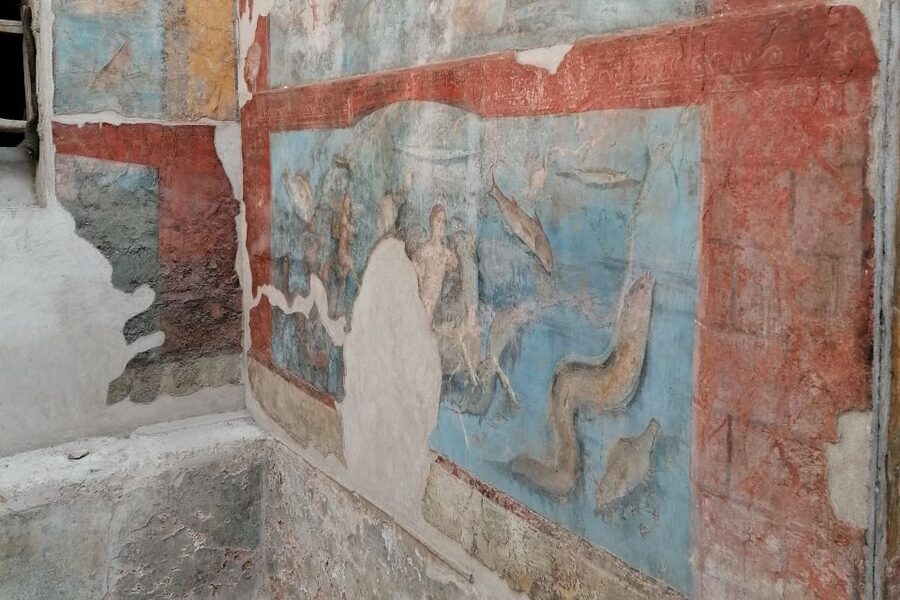
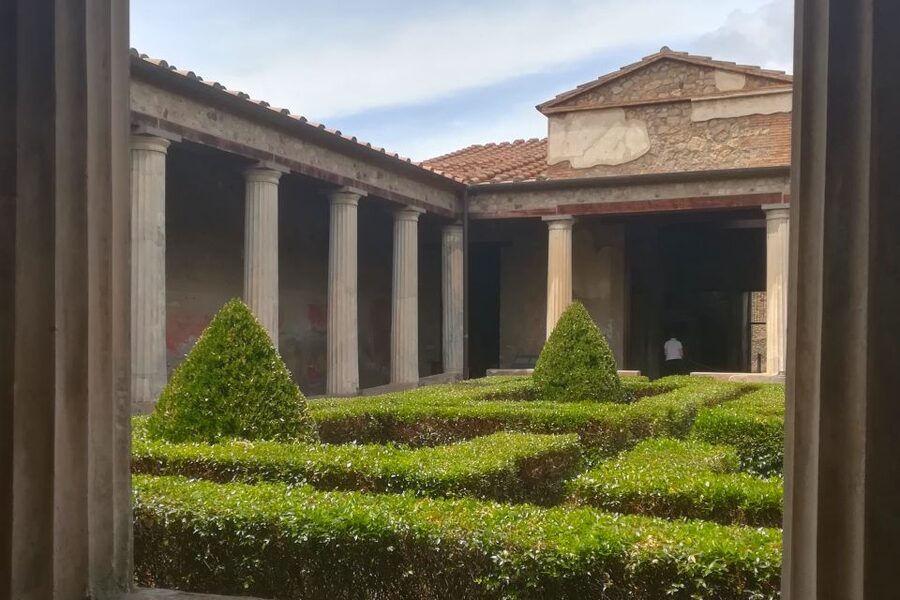
One of the big payoffs of a guided tour is what happens inside the houses, not just outside them. You’ll visit the House of Menander, a stop known for decoration and domestic rooms.
This is where you get to see how Romans displayed identity through art and materials. Expect to spend time around frescoes, mosaics, and marble-like surfaces where preserved details help you imagine the original color and layout.
Here’s what to watch for during this part:
- Notice how art is placed in relation to doorways and passageways.
- Think about what rooms would be seen by guests versus used by family.
- Ask the questions that come naturally, like what was practical decoration versus what was status signaling.
The tour format also helps you avoid the common problem: people rush through houses because there are not always big signs saying what mattered. With an archaeologist guiding the walk, you understand what each space was for.
Terme Stabiane: bathing culture as Roman social life
Next comes the public thermal baths, Terme Stabiane. Baths in Roman towns were not just hygiene. They were social spaces, meeting points, and part of the daily rhythm.
As you move through this area, your guide’s job is to translate stones and corridors into routine. You’ll learn how the layout supports temperature changes, how space would be used, and why a bathhouse is a window into how people spent time together.
This stop is also where the tour’s pacing feels practical. On hot days, you want shade and water breaks, and multiple visitors have described the guide as sensitive to comfort and finding calmer spots when possible. Pack accordingly, because even with shade, you are in an outdoor archaeological site.
Lupanare: the brothel stop that teaches you about Roman norms
You’ll also see the lupanare, the brothel. This is one of those moments where the ruins force you to confront daily life without sugarcoating.
Rather than treating it like just a shocking photo stop, the tour framing helps you see what it tells you about Roman social structure and how commerce and power could show up in everyday places.
A small note for your mindset: if you prefer a strictly family-friendly pace, you may still be okay here, because the tour context is about understanding the site, not just sensational content. That said, it is part of the Pompeii story, and it is worth respecting that this is real human history.
Forum, Temple of Jupiter, Basilica, and the Macellum: the city as a machine
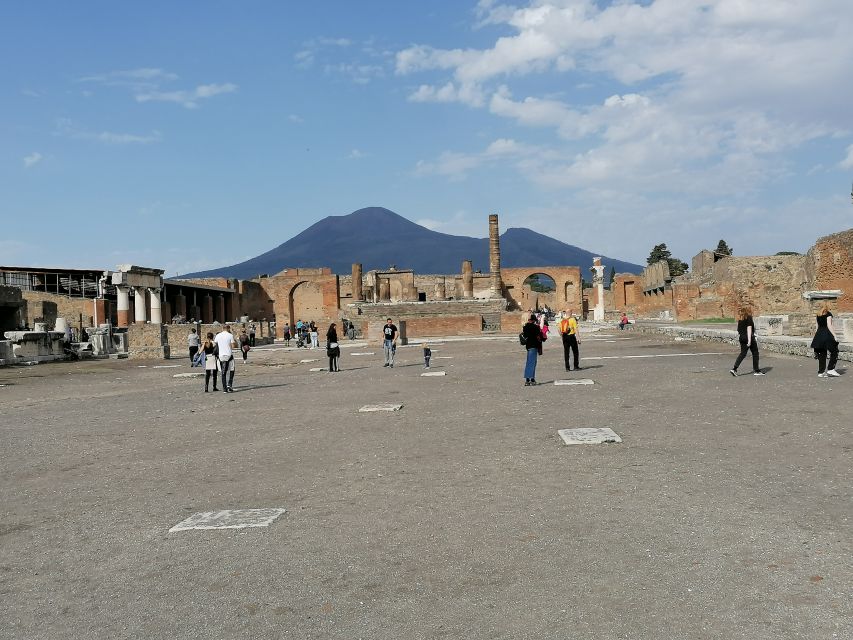
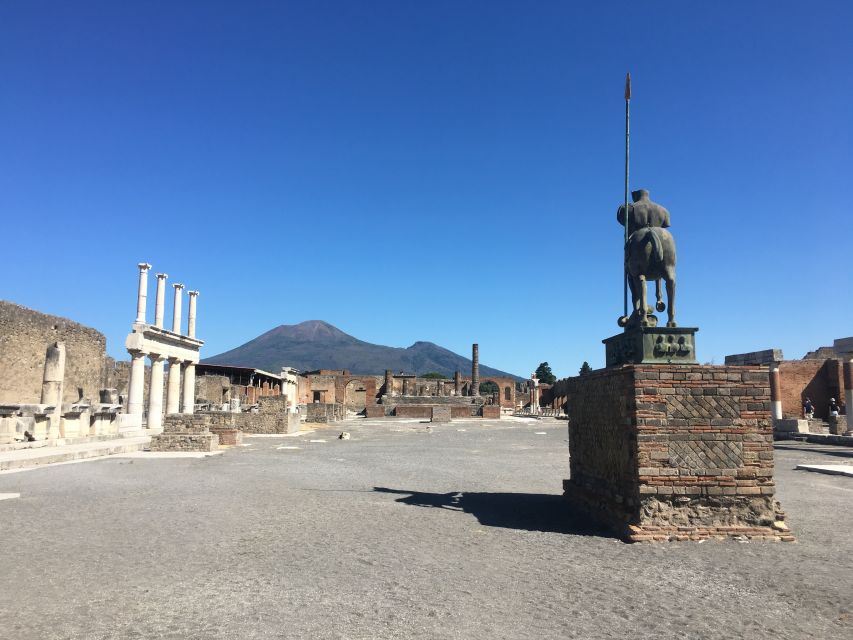
By the time you reach the forum, the tour shifts from “house and street” into “city operations.” You’ll see the public buildings and civic spaces that tell you who ran the show and how people moved through important civic and religious areas.
You’ll also visit:
- The Temple of Jupiter
- The Basilica
- The Macellum of Pompeii, the market area
These stops matter because Pompeii wasn’t just a collection of houses. It was a functioning urban system with religious symbolism, legal or civic meeting spaces, and marketplaces. Even when walls are missing, the shapes and locations help you understand the logic of a Roman city.
If you like history, this is the part that feels most like architecture plus human behavior. Watch for the movement patterns between buildings. Imagine who went where, when, and for what reason.
Plaster casts: when the ruins turn emotional
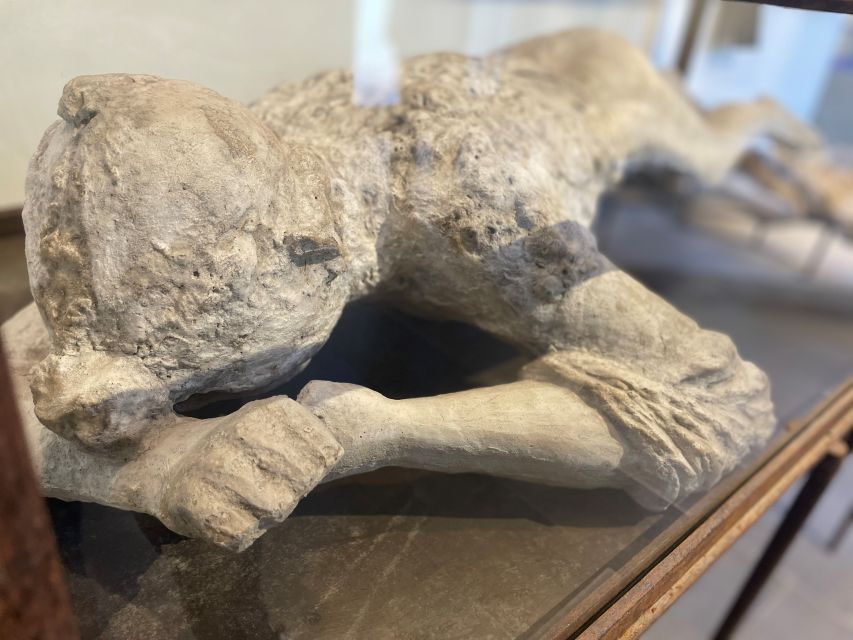
The final big anchor on this route is the plaster casts of the victims. This stop does two things at once.
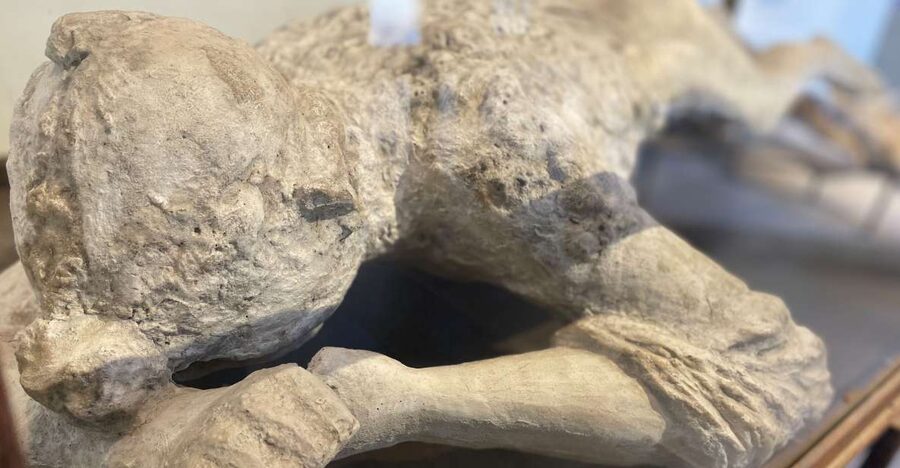
First, it shows the eruption story, especially how a sudden catastrophe trapped people in their final moments. Second, it makes Pompeii stop feeling like only an ancient “theme park.” You’re looking at human forms preserved through an extraordinary archaeological process.
This section is emotionally heavy, and the best way to handle it is slowly. Give yourself time to look, then let your guide connect what you see with the broader AD 79 context. If you rush, you miss what the casts are trying to communicate: not just tragedy, but individual lives.
How the small-group size keeps you out of the crush
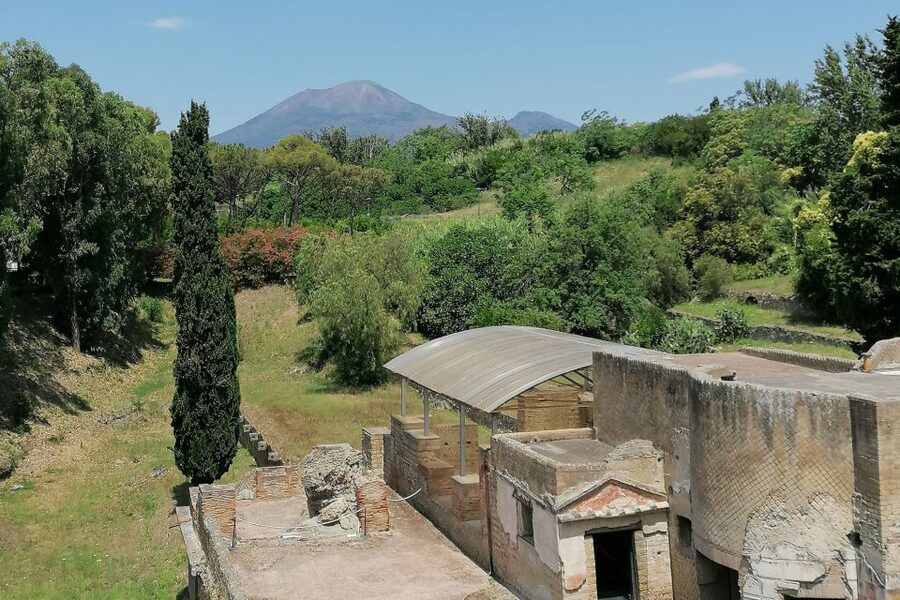
Pompeii can feel crowded even when it is not peak-season busy. One of the strongest reasons to pick a small group is not just comfort, it’s control over your experience.
This tour runs with a group size capped at 12 people, which typically makes it easier for the guide to steer you away from the thickest areas. Several visitors have also described the guide as mindful about timing and crowd flow, and using shade where possible during the hottest stretches.
Another small advantage: when the group is smaller, you get natural interaction. You can ask follow-up questions when something clicks, like how a bathhouse functioned or what a decorative pattern might have meant in a household setting.
When headsets are provided (for groups larger than 8), they help you hear explanations clearly without turning the walk into a constant shout-fest.
Free time after the tour, how to use it well
The tour includes free time to explore the archaeological site. Think of this as your chance to turn your new understanding into personal discovery.
A practical approach:
- Go back to one or two areas you loved and look again without rushing.
- If you noticed a specific room type during the tour, check for similar spaces nearby.
- Ask your guide for any direction on what to look for beyond the core stops, since Pompeii continues to change as research and conservation work progresses.
Because you only get 2 hours of guided time, the free period is what helps you keep the experience feeling complete. Otherwise, Pompeii can turn into a blur of “seen it, next.”
Who should book this Pompeii tour, and who should skip
This tour is a strong fit if you:
- Want a city understanding, not just a checklist of famous ruins
- Prefer a small group where you can ask questions and stay together
- Like archaeology-based explanations tied to real spaces
- Are traveling with kids and want a guide who can handle questions and keep the pace engaging (there are examples of families doing well on this tour)
Skip it or consider another format if you:
- Have mobility limitations or need wheelchair access, because this tour is not suitable for wheelchair users or people with mobility impairments
- Expect a slow, leisurely walk with lots of resting on benches. Even with shade breaks, Pompeii requires real walking
Language-wise, the guide works in Italian, English, and French, so you should be able to match your comfort level.
Should you book this Pompeii tour with Benedetto?
If you want Pompeii to feel understandable, not overwhelming, I think this is a good booking. The combination of small-group pacing, an archaeologist-led explanation style, and the key stops from street life to baths to the forum makes the 2 hours feel efficient and meaningful.
Book it if:
- You care about how Romans lived, shopped, bathed, and organized civic life
- You want the emotional weight of the AD 79 story handled with context
- You would rather pay for direction than spend your precious time wandering and guessing
Consider skipping or changing your plan if you:
- Need wheelchair-friendly access
- Want a totally self-guided experience with no structured route
FAQ
Where is the meeting point for this tour?
You meet at Suisse Restaurant (Ristorante Suisse). The guide waits at the meeting point with a sign that shows your name.
How long is the guided tour at Pompeii?
The guided portion is 2 hours.
What’s included in the price?
The price includes an archaeologist guide, an express entry ticket to Pompeii, headsets for groups larger than 8, and free time to explore the archaeological site.
Do I need tickets in advance?
You receive an express entry ticket as part of the tour, but the ticket is named, so you must provide the first and last name list after booking.
What language will the guide speak?
The tour is offered in Italian, English, and French.
Will we have to stand in a long ticket line?
The tour includes express entry, so you skip the ticket line.
Do I need to bring ID?
Yes. The ticket is named, and you need to bring your passport or ID card in original form.
Is the tour suitable for wheelchair users?
No. It is not suitable for people with mobility impairments or wheelchair users.
What should I bring for comfort?
Bring comfortable shoes, a hat, water, and your passport or ID card.
Is food included?
No. Food and drinks are not included, and you are responsible for meals and drinks on your own.
Recently reviewed around Pompei Campania
- From Sorrento: Pompeii with an Archaeological Guide & Ticket★ 4.6 · 19 reviews
- From Positano: Pompeii Ruins Small Group Guided Tour★ 4.8 · 82 reviews
- Pompeii Positano Amalfi Day Trip from Rome by Car, No Bus!★ 5.0 · 5 reviews
- Pompeii VIP 3h Tour: Skip-the-line with your Archaeologist★ 4.9 · 13 reviews
- Pompeii & Virtual Museum Private 2-in-1 Kid’s Tour★ 4.9 · 9 reviews
- Pompeii & Vesuvius★ 4.3 · 12 reviews
- From Naples: Pompeii Wheelchair-accessible with a Guide★ 5.0 · 8 reviews
- Pompeii Tour_Skip the line ticket + audioguide★ 4.7 · 17 reviews
Pompeii Tours, compared.
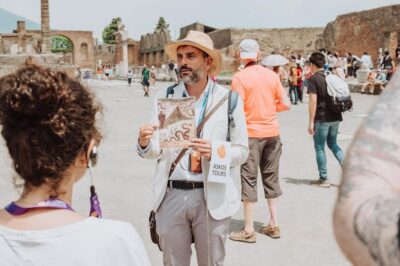
Entry Ticket and Guided Tour with an Archaeologist
Read our review →
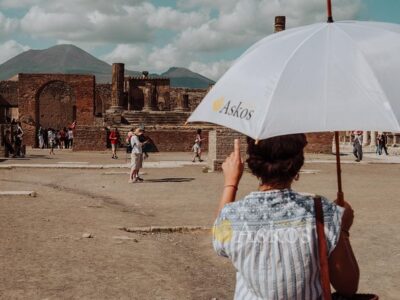
Pompeii Small Group Tour with an Archaeologist
Read our review →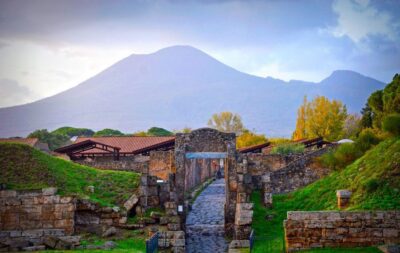
Skip-the-Line Entrance Ticket with Audio Guide
Read our review →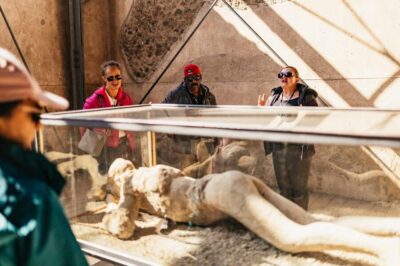
Pompeii and Mt. Vesuvius with Lunch and Wine Tasting
Read our review →
Archaeological Park Tour with Ticket on request
Read our review →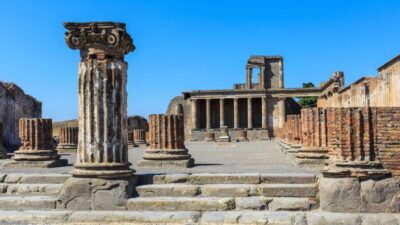
Browse the lists this tour appears in