
Reviewed · COOKING CLASSES
Sorrento: Pasta and Tiramisu Cooking Class with Wine
Fresh pasta and tiramisù class in Sorrento is the kind of break from sightseeing that actually gives you something to take home. I love the hands-on work making fresh pasta dough and I love the sea-view lunch or dinner where you get to eat what you make with wine.
One thing to consider is that the cooking focus can lean more toward dough and dessert than full sauce-making. A few past guests also flagged that the minibus ride from the meeting point can feel a bit rough or late at times, so plan to be flexible.
Key highlights you will care about
- Sea-view setting at the restaurant, so the food lesson comes with real atmosphere.
- Fresh pasta technique including how to choose flour and the practical difference between pasta fresca and pasta secca.
- Tiramisu step-by-step so you understand the layer building, not just follow a recipe.
- Drinks included, starting with a welcome Prosecco and continuing with wine at the meal.
- English instruction with hosts named Massimo, Maria, Antonio, Lara, and others who have been praised for patience and humor.
Getting started at Terrazza delle Sirene (then heading out)
The experience starts right where you want to be in Sorrento, at the restaurant Terrazza delle Sirene (40.62791061401367, 14.374587059020996). Look for the meeting inside the restaurant. This matters because you are not hunting around in the street with a crowd and a time limit.
When your group arrives, you get a welcome glass of Prosecco. It is a small detail, but it sets the tone. You are not just standing around waiting for the class to begin, you are settling in like part of the day.
Then you head out. The actual cooking happens at a restaurant a short minibus ride away from the meeting point, and the transport cost is included in the price. That means you are not stuck trying to navigate steep roads or figuring out where the kitchen is.
More cooking classes in Sorrento:
- Best Sorrento cooking school
★ 5.0 · 369 reviews - Hands-On Italian Cooking Class with Local Sorrento Chef
★ 5.0 · 283 reviews - Shared Cooking Class with Fresh Garden Ingredients in Sorrento
★ 5.0 · 194 reviews
The minibus transfer: why it matters in Sorrento
Sorrento is pretty, but the roads can be windy, narrow, and a bit dramatic. Several guests mentioned that the ride can feel sketchy in places, and one noted the vehicle was older with no air conditioning. Another said the pickup was smooth and on time, so your experience may vary.
My advice is simple: treat the transfer as part of the plan, not an afterthought. If you are sensitive to motion, consider bringing motion-sickness pills. Also, keep your schedule buffers in mind. A late pickup pops up in a few reports, so do not stack another tight activity right before.
Once you arrive, the reason you tolerate the ride becomes clear. The restaurant location comes with the big view factor, and you will spend the class and meal in that atmosphere, not in a bland back room.
Behind the scenes at the restaurant kitchen
Before you start cooking, you get a behind-the-scenes look at how an Italian restaurant runs. This is one of those parts that quietly improves the whole class. You learn that pasta is not just a recipe, it is a workflow. Where ingredients go, how timing works, and why kitchens care about texture and consistency.
You will also see the practical side of running a busy dining spot. Even if you do not cook at home much, you start understanding how professionals keep everything moving, especially during service.
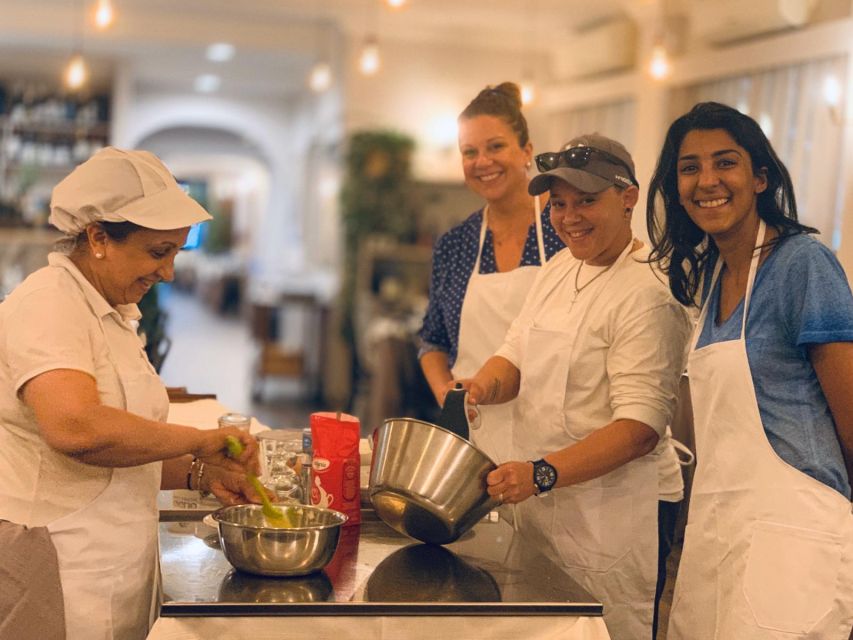
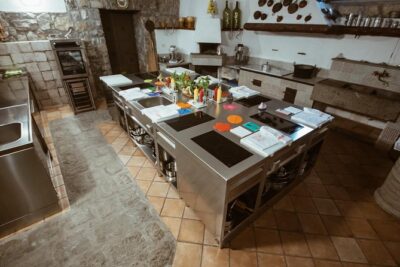
Then you tie on your apron and go to your workstation. The vibe here is not formal. It feels like you are being taught in a real kitchen, with people who expect you to learn as you go.
Hosts and instructors have varied by date, and names that have shown up in guest feedback include Maria, Massimo, Antonio, Lara, and Francisco. The common thread is that they tend to be patient and willing to adjust when your pasta dough is a little too sticky or a little too dry.
Making pasta dough: flour choice and the fresca vs secca difference
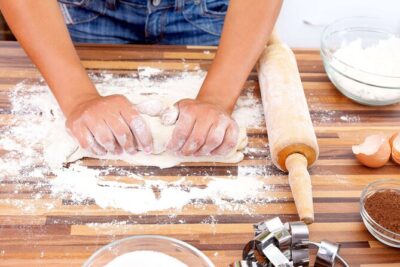
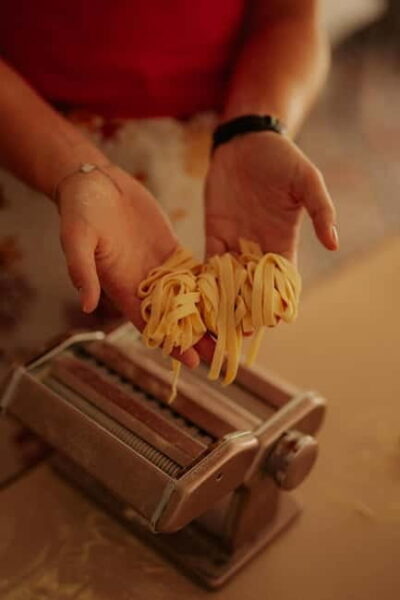
This class spends real time on the foundation: pasta dough. You get step-by-step guidance on how to prepare it, including which type of flour to use.
Why that matters for you: flour choice affects how the dough behaves. The same technique will not work if the dough is made with the wrong flour or if you do not understand how to aim for the right feel. You are not just being told what to do. You are learning why it works.
You also get the difference between pasta fresca and pasta secca. That is more than trivia. Pasta fresca is made fresh, typically with different handling and a shorter window for eating well. Pasta secca is the dried form, more shelf-stable, and it cooks differently.
If you are the kind of traveler who wants skills that actually transfer back home, this portion is the best value. You are not only copying a dish, you are learning the logic behind it.
A big theme in the feedback is that the pace is manageable for holiday cooks. One guest said the steps were steady and not overwhelming, which is exactly what you want when you might be standing at a station for the first time.
More wine tastings around Sorrento:
- Sorrento Farm and Food Experience including Olive Oil, Limoncello, Wine tasting
★ 5.0 · 2,524 reviews - Sorrento: Pizza Lesson, Wine, and Limoncello at a Local Farm
★ 5.0 · 1,513 reviews - Amalfi Coast Day Tour from Sorrento with Light Lunch and Wine
★ 4.5 · 1,148 reviews - Pizza School with Wine and Limoncello Tasting in a Local Farm
★ 5.0 · 845 reviews
Shaping and cooking the pasta dishes you make
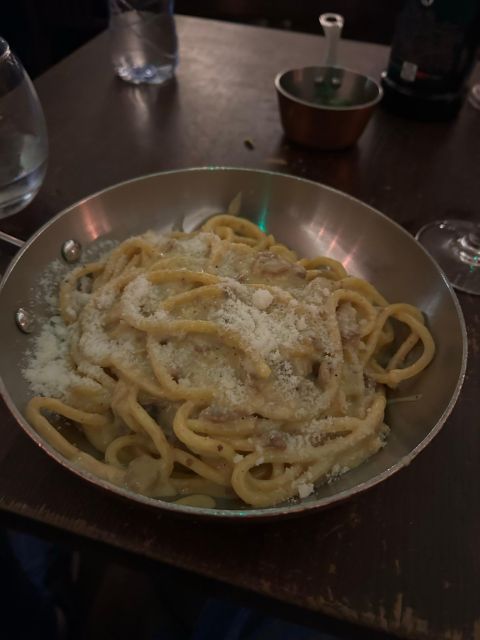
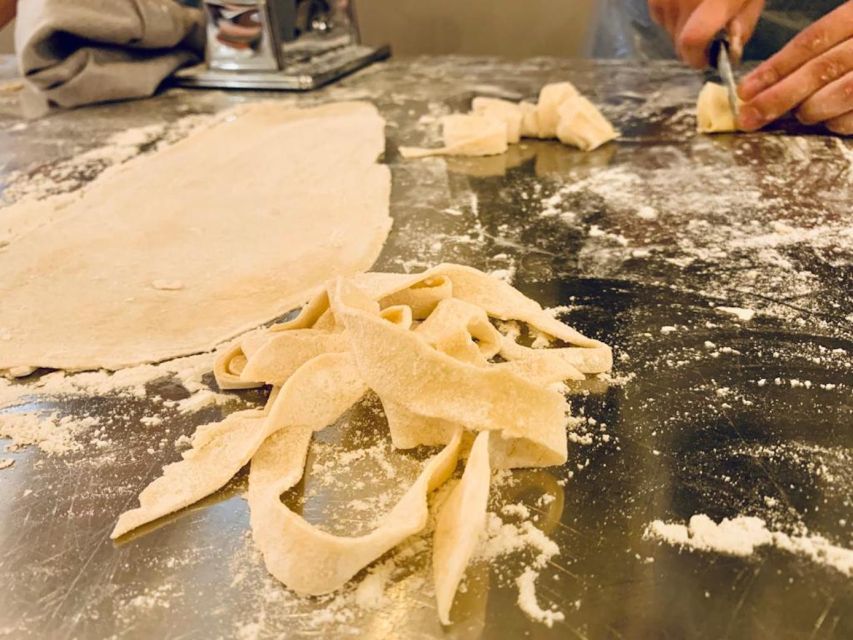
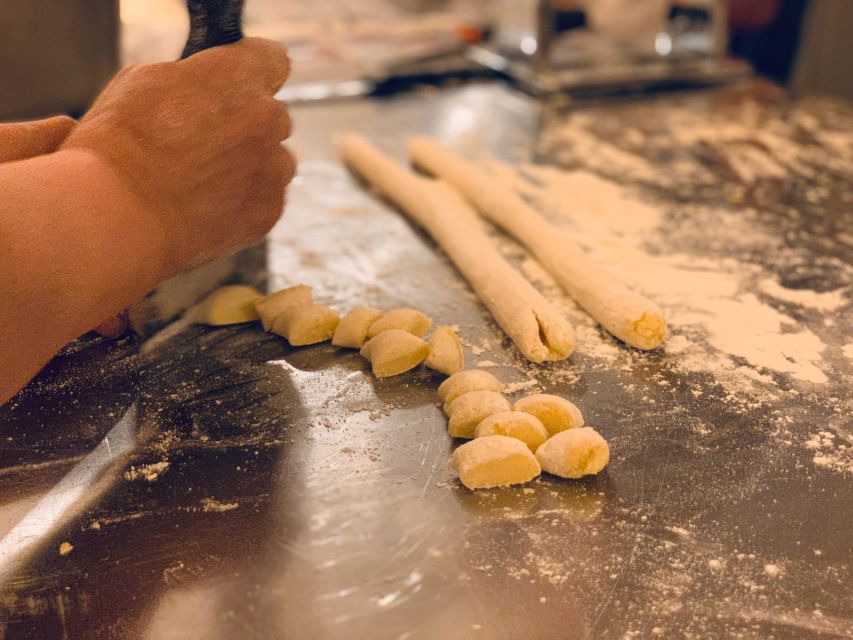
After your dough is ready, the class moves into the hands-on fun of shaping. Guests have reported making two different types of pasta, and in some sessions people specifically named options like tagliatelle and ravioli (including spinach-sage ravioli). The core promise stays the same: you build fresh pasta from dough to finished shape, then eat it later.
This is where you will notice how step-by-step instruction helps. Rolling, cutting, shaping, and filling all take coordination. In a good class, your instructor checks your work before you move on.
One guest mentioned the chef checked that their pasta-making was correct before taking it into the kitchen. That kind of quality control is a small detail, but it makes your final meal much better. When the dough and shape are right, your pasta tastes like something you would happily order in Italy, not like a rushed experiment.
Sauce time: what you get and what you might not
Here is the fair warning. A few guests said they would have liked more detail on making sauces, and at least one mentioned there was no participation in the sauce-making. In other words, you might not do every component from start to finish.
This is not automatically a bad thing. Many cooking classes prioritize what you can learn quickly and do correctly under time pressure, pasta dough and tiramisu are often the biggest “skill wins.” Also, professional kitchens can finish sauces offstage to keep quality consistent.
Still, if sauce-making is your main fantasy, set expectations. You will learn the pasta fundamentals well, but your involvement with sauce could be limited depending on the session.
Tiramisu workshop: the layer-by-layer approach
Then comes tiramisù, the part that makes the whole class feel like a celebration. You will learn how to prepare it with step-by-step guidance, and the goal is a dessert that sets correctly and tastes balanced.
Tiramisu is easy to mess up at home if you do not understand the texture. You need the right level of soak and the right cream consistency so it is not watery, not scrambled, and not too stiff. The class structure helps because you are guided through each stage, not thrown into a single big recipe moment.
Many guests highlighted how much fun the tiramisu part was, and how delicious the final result tasted. And that is the best measure. You are not only learning, you are eating the proof.
Eating what you made on a sea-view terrace
At the end, you sit down together for lunch or dinner. Which meal you get depends on the class time, but either way you eat at the restaurant after you cook.
You will sip wine with your meal. Multiple reviews also mention limoncello appearing at the end in some sessions, which fits the region. Even if limoncello is not guaranteed, you can assume the wine flow is part of the design, and you should plan to enjoy it.
The meal itself is where the class becomes more than a lesson. Fresh pasta that you made yourself changes how you experience it. You notice the texture, how it holds sauce, and how the flour and mixing choices show up on the fork.
If you are traveling solo or as a couple, this shared table moment also does something practical. You meet other travelers, and you hear real stories about what people are doing in the area. Several guests said the group atmosphere was part of the fun, including a couple who chatted with other attendees while enjoying the food and wine.
What this experience is really good for
This is a great activity when you want a high return on time. Three hours is long enough to learn techniques, not so long that it feels like a whole day disappears.
I also like it for travelers who want an authentic experience without sitting through a lecture. You get real food work, real Italian rhythm, and a real meal afterward.
Where it fits best:
- If you have already seen the big sights and want something hands-on
- If you want a memory you can recreate, especially pasta basics and tiramisu technique
- If you enjoy group activities where conversation happens naturally
- If you like pairing skill-building with enjoying the result
Who should book this class, and who should think twice
Based on the way guests describe it, this class suits beginners and intermediate cooks alike. Many people said it was approachable even if they are not the best at cooking, and instructors kept things friendly and doable.
You might think twice if:
- You want a deep, full-course cooking program that includes extensive sauce work from start to finish.
- You are extremely risk-sensitive about transportation comfort, since a few reports mentioned an older minibus and windy roads.
If you can handle a short transfer and you are excited to learn dough and dessert fundamentals, you will likely enjoy it a lot.
Practical tips before you go
A few small choices can make the day smoother:
- Arrive a few minutes early for the meeting inside Terrazza delle Sirene. It is a restaurant meeting point, not just a street corner.
- Expect hands-on work. You will tie on an apron, work at a station, and do real steps, not just watch.
- Wear comfortable clothes you can get a little flour on, just in case.
- Plan for a relaxing pace after. You will eat a proper meal and drink wine, so do not schedule something intense right afterward.
If you want to get even more out of the class, focus on the two big takeaways: dough feel and tiramisu texture. Those are the parts that are most likely to show up when you recreate the recipes later.
Should you book the pasta and tiramisù class in Sorrento?
I think you should book this if you want a fun, food-first experience that feels genuinely Italian and ends with a satisfying meal. The combination of fresh pasta technique, tiramisu instruction, and wine paired with what you cooked is exactly the kind of value that makes a short trip feel complete.
If you mainly want sauce-making or you are very worried about the comfort of a minibus transfer, you may feel less thrilled. But if your goal is to learn the foundations and enjoy a sea-view meal, this is one of the better ways to spend a few hours in Sorrento.
FAQ
Where is the meeting point for the cooking class?
You meet inside the restaurant Terrazza delle Sirene. The coordinates provided are 40.62791061401367, 14.374587059020996.
How long is the Sorrento pasta and tiramisù class?
The experience runs for 3 hours.
Is the instructor available in English?
Yes, the instructor teaches in English.
What will we cook during the class?
You will make fresh pasta dough and learn how to prepare pasta dishes in the region, and you will also learn how to prepare tiramisù.
Is Prosecco and wine included?
Yes. You receive a welcome glass of Prosecco at arrival, and wine is served with the meal at the end.
Is transportation provided from the meeting point?
Yes. The cooking class takes place in a restaurant a short minibus ride from the meeting point, and the transport cost is included.
What is the cancellation policy?
You can cancel up to 24 hours in advance for a full refund.
Recently reviewed around Sorrento
- Private Sunset boat tour★ 5.0 · 3 reviews
- Sorrento Cooking Class: Taste the Tradition feel the Love★ 5.0 · 15 reviews
- Sorrento: Walking Tour in Lemon Garden w/ Food Tasting★ 4.8 · 72 reviews
- Sorrento: walks and food★ 5.0 · 3 reviews
- Sorrento: Wine Tasting Overlooking the Sea in a Lemon Grove★ 5.0 · 6 reviews
- Sorrento: walking in the Grand Tour with stunning landscapes★ 5.0 · 5 reviews
- Guided Walking Tour of Sorrento with Limoncello Tasting★ 4.8 · 4 reviews
- Sorrento: Vesuvius Day Trip with Entry and Lunch★ 3.5 · 6 reviews
Cooking Classes, compared.
Hands-On Cooking Class & Farmhouse Tour on the Amalfi Coast
Read our review →
Cooking class with Pasta, mozzarella and Tiramisu with wine
Read our review →
Authentic Cooking with Locals: Meal, Wine & Scenic Views
Read our review →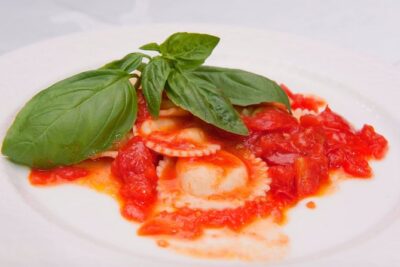
Hands-On Italian Cooking Class with Local Sorrento Chef
Read our review →
Cooking Class with Pasta, Mozzarella, and Tiramisù
Read our review →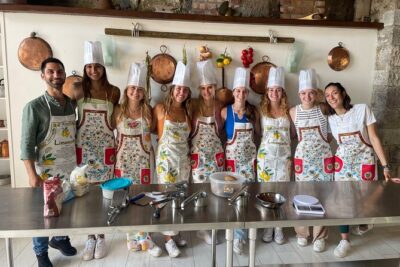
Shared Cooking Class with Fresh Garden Ingredients in Sorrento
Read our review →Browse the lists this tour appears in