
Reviewed · RAVELLO TOURS
Private Pompeii & Ravello Day Trip via Amalfi Coast (Tickets)
Pompeii plus the Amalfi Coast in one private day is the kind of combo that keeps your photos interesting and your brain busy. You start in Pompeii, a Roman city stopped on its tracks in AD 79, then you glide along the coast to Ravello, the quieter terrace town above the sea.
I really like the hotel pickup and full-day driver approach. It means you are spending energy on the sights, not on schedules, maps, and stress.
The other thing I like is that you can choose how “hands on” Pompeii is. If you opt for the Pompeii guide option, you get skip-the-line entry support and a licensed guide, and many days are led by experts such as Fabrizio, who people repeatedly praise for making the ruins feel understandable. The possible drawback is that the day is still a lot of road time, and traffic and heat can make certain stops feel shorter on busier travel days.
Key things to know before you go
- Hotel pickup and private transport mean you start easier and move more smoothly between regions.
- Pompeii is flexible by option, with an upgraded guided approach if you want more storytelling.
- A full-day driver helps you keep your focus on views, not navigating narrow roads.
- Ravello timing is built in, with about an hour to explore town at your own pace.
- Multiple Amalfi Coast stop flavors, from elevated gardens to working villages like Cetara.
- You will walk at Pompeii, so comfortable shoes really matter.
How the day flows: 8 to 9 hours, private comfort
This is a private day trip, so you are not sharing the van with a crowd. You get pickup from Naples, Sorrento, Pompeii, and other nearby starting points, so you can begin without hauling luggage or figuring out transit. The overall plan runs about 8 to 9 hours, with Pompeii taking the main chunk.
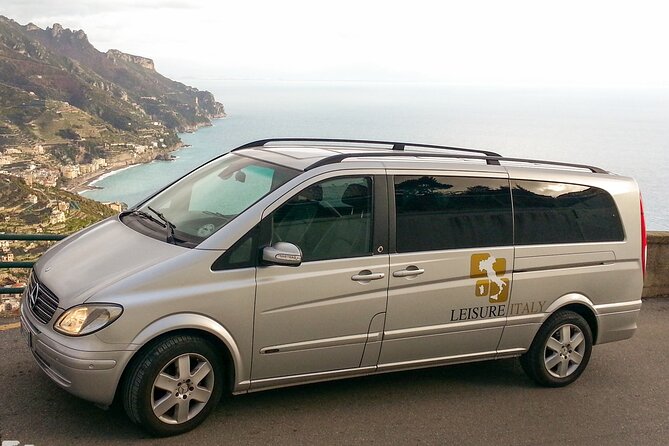
You also get an English-speaking driver with live commentary on board. That matters because the road itself is part of the experience on the Amalfi side. Someone who knows the route can keep you from wasting time, and can point out what you are actually seeing instead of letting you guess.
One practical heads up: this is not a sit-and-watch-only tour. Pompeii involves walking and uneven surfaces. The good news is that there are cafés and gift shops right in front of the ticket office, so if someone in your group does not want to walk far, there are options close by.
More Ravello tours to compare:
- From Pompeii/Vico Equense: Amalfi, Positano, & Ravello Tour
★ 4.4 · 133 reviews - Half Day Tour to Pompeii from Ravello
★ 5.0 · 23 reviews - Day Trip to Positano, Amalfi & Ravello from Sorrento
★ 4.5 · 2,371 reviews
Entering Pompeii through Porta Marina
Your Pompeii visit begins near Porta Marina, the main entrance in Roman times. Even if you do not know much Roman history, it helps to start at an arrival point, because it sets the tone. You can look at the defensive walls and gate setting, and you instantly get the sense that Pompeii was planned and protected, not just randomly built.
From there, you can go two ways depending on your chosen Pompeii option. If you have the self-paced ticket approach, the driver and commentary still help you connect the dots, but you will decide what to linger over. If you choose the Pompeii guide option, you will have a licensed Blue Badge guide to steer you through the site and interpret what you are seeing.
A small but real tip: you can often adjust the order of the day. Some guides recommend doing parts of the Amalfi Coast earlier to avoid the heaviest morning crowding in Pompeii, then shifting back later. Other groups ask for Pompeii first, and the flexible setup is built to handle that kind of request.
Temple of Apollo to the Forum: where Pompeii feels designed
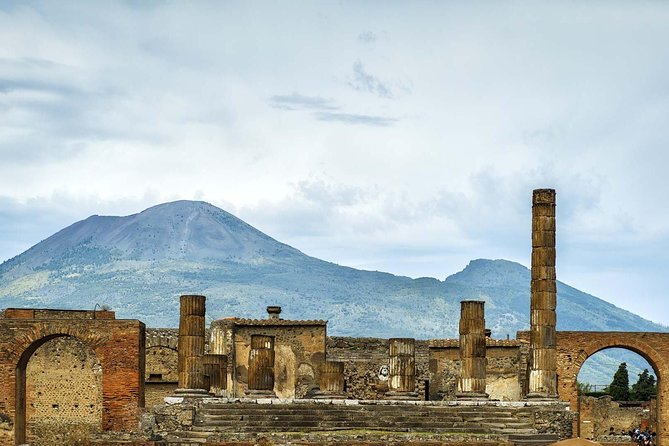
One of the big surprises at Pompeii is how many different “Pompeii moments” exist, not just one long ruin walk. The Temple of Apollo is a great example. You are looking at a major religious site that dates back earlier than most people expect, when Greek influence was already shaping the city. The temple area gives you a clear sense of sacred spaces, with the columned portico, altar, and elevated podium still readable in the layout.
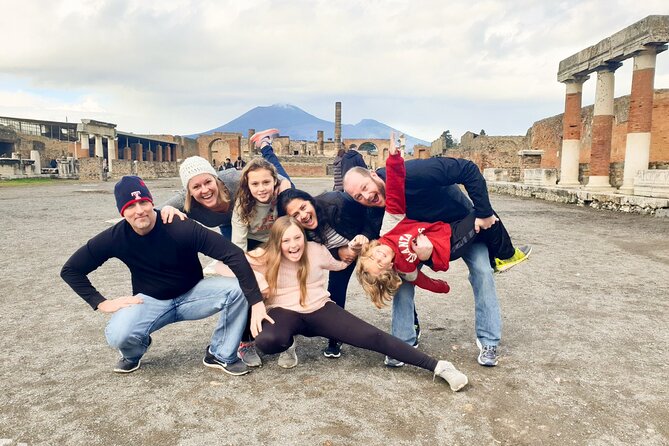
Then you move to the Forum, Pompeii’s civic heart. Even roofless and damaged, the Forum gives one of the most powerful impressions of community and daily life. You can stand in the open square and imagine politics, markets, religion, and public announcements happening here.
The Forum’s setting also matters for your imagination. The views frame Mount Vesuvius, and that helps you understand why a volcano was not just a distant background feature, it was part of how people lived with their environment long before AD 79 changed everything.
Macellum, Forum Baths, and the buildings people did not expect
If you think of Pompeii as grand villas only, the Macellum (the food market) is a reality check in the best way. It is one of the best-preserved Roman commercial spaces, and it is where you can picture vendors and shoppers moving through porticoes and stalls. You get cues about food distribution, marble counters, and storage spaces, plus a little shrine area tied to the imperial family. It is commerce, politics, and daily routine all in one tight footprint.
Right nearby is another favorite stop for many people, the Forum Baths. Roman bathing was not just cleaning. It was social time. The sequence of rooms you can still make out, the warm spaces, the plunge area, and the engineering details around airflow and heating make this feel practical, not just decorative.
If you are traveling with kids or teens, these stops often land well because they connect to human behavior you recognize: eating, meeting friends, relaxing, doing business.
More Amalfi Coast tours to compare:
- From Rome: Pompeii, Positano and Amalfi Full-Day Tour
★ 4.7 · 430 reviews - Pompeii and Amalfi Coast Private Day Trip with Pick Up
★ 5.0 · 312 reviews - Amalfi Coast: Pompeii Guided Tour with Skip-the-Line Entry
★ 4.7 · 125 reviews - Amalfi Coast: Pompeii, Vesuvius, & Wine Tasting with Lunch
★ 4.8 · 114 reviews
The big houses: House of the Faun and House of the Vettii
When people picture Pompeii, they often picture wealthy homes. Two of the strongest are the House of the Faun and the House of the Vettii.
The House of the Faun is huge, almost palace-like, and the scale is what gets you first. Courtyards, columned gardens, and the fine mosaics reflect real money and real taste. People also connect emotionally to the famous mosaic traditions here, because it makes Pompeian elite life feel less like an archaeological label and more like a lived aesthetic.
The House of the Vettii shifts the vibe toward everyday wealthy merchants. It is filled with colorful frescoes and an elegant layout with a central garden and statues or water features. Many visitors find it easier to imagine a social evening, a family conversation, or a business meeting in a space like this because the paintings and room structure still give you strong signals.
Insula spaces and Via dell’Abbondanza, the working-city view
What really turns Pompeii from famous ruins into a place you can understand is walking the city fabric. The insulas (mixed residential and commercial blocks) show you that Pompeii was not just temples and villas. You see evidence of businesses and workshops, including ovens and the kinds of daily materials that suggest life going on right up until the eruption.
From there, Via dell’Abbondanza is one of the best “street understanding” experiences. It is a long central corridor that helps you picture shops, bakeries, bars, and the flow of pedestrians between the Forum and entertainment spaces like the amphitheater. You can also spot stepping stones and water elements that suggest how people moved around the city.
Walking along the route from elevated walkways and ramps also helps. You get to see rooms and workspaces without constantly stepping onto fragile areas. It is one of those design choices that makes the site more readable.
Teatro Grande and the Antiquarium: entertainment and context
The Teatro Grande is where Pompeii gains rhythm. It is an open-air theatre built into a natural slope, and the semicircular design makes it easier to imagine performances carrying sound. When you sit in the stone seating area, you can picture crowds, from elite patrons to ordinary citizens.
Many people also value the panoramic viewpoints you can access from modern elevated walkways above the stage area. It is not just a photo stop. It helps you understand scale.
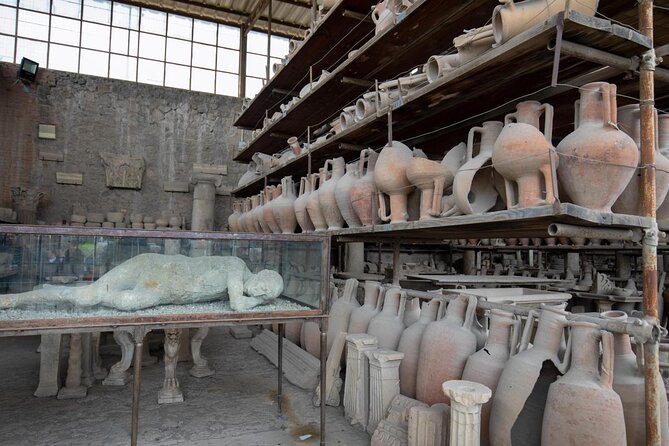
Then there is the Antiquarium, Pompeii’s main museum space for context. If you start to feel overwhelmed by how many things you saw, the museum can help you organize your memory. You get exhibits of everyday objects, fresco fragments, and casts connected to the eruption story. It is a good place to start, or a good place to end if your brain needs a reset from walking.
Basilica-style civic spaces: where law and business fit together
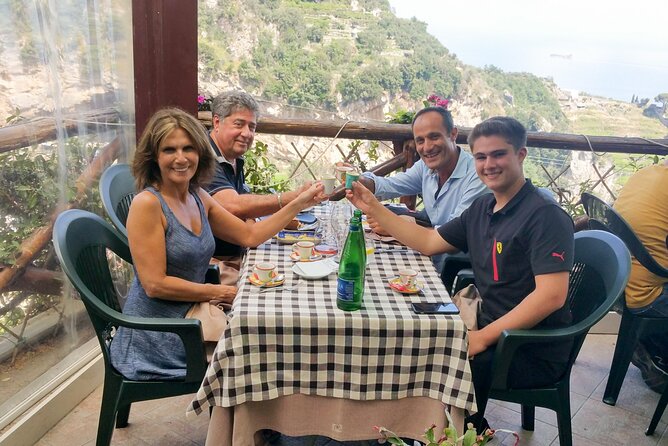
Within the Forum complex, you will also see what feels like the “official business” side of Pompeii, including a basilica-like public hall used for civic business and legal matters. Even with roof loss, the tall columns and open plan still show you how administration was organized.
This is one of those Pompeii details that adds meaning to everything else. Once you see how civic life was structured, you interpret markets and houses differently, because you realize these spaces were part of a single system of rules, trade, and social ranking.
Amalfi Coast drive: why a driver is worth it
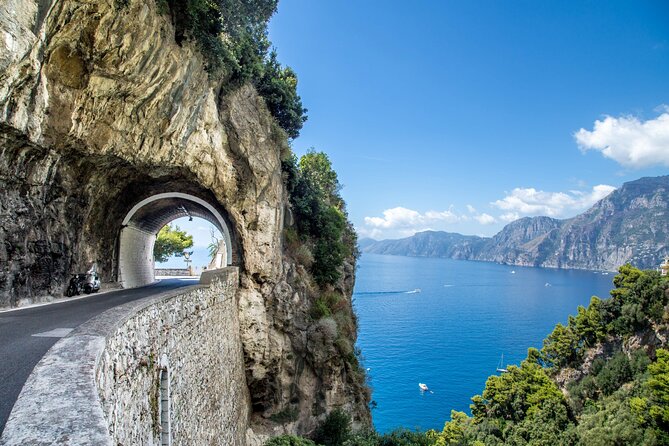
After Pompeii, you shift into the Amalfi Coast portion of the day, and the experience becomes less about ruins and more about movement through scenery. The route is famous for its cliffline bends, tunnels, and perched towns with sea views that keep changing as you travel.
The big value of having a driver here is timing and comfort. The road is narrow and windy in places, and it is not fun to add navigation stress on top of it. The onboard commentary helps you notice details you might otherwise miss, like why certain towns grew where they did and how the coastline shapes daily life.
Also, think about the calendar. One frequent reality: weekends can mean heavier traffic, which can cut your time at Amalfi stops. The fix is simple, if you can control it, go early in the day and choose weekdays when possible.
Ravello town time: Duomo, lanes, and a slower pace
Ravello sits high above the coast, and the vibe is noticeably calmer than the seaside towns. Your time here is about one hour free time, so you can explore without feeling herded.
A main anchor is Piazza Duomo and the 11th-century Cathedral. Even if you do not do a deep religious visit, it gives you a good orientation point and a sense of Ravello’s ties to the maritime Republic of Amalfi.
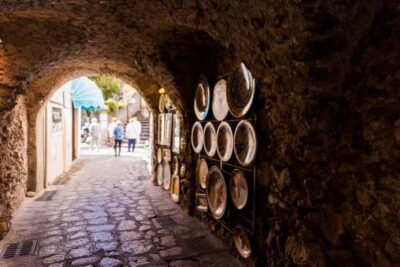
This is also where you will likely enjoy narrow lanes and small artisan shops, including ceramics and linen items, plus lemon-themed products. People often like Ravello because it feels less frantic. It is a good moment in the itinerary to breathe.
Villa Rufolo: gardens that connect to art and music
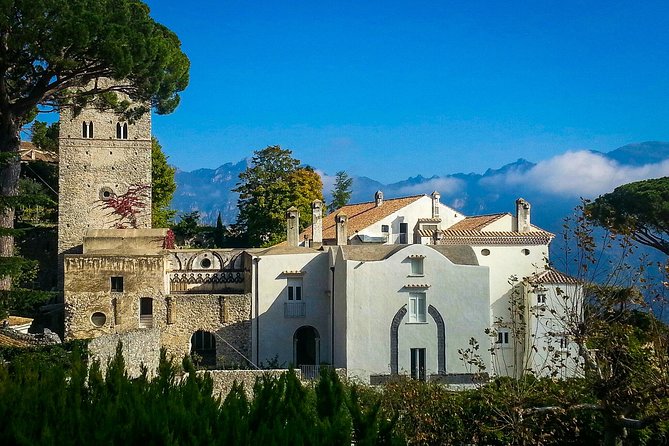
Just off the main square is Villa Rufolo, with a visit time of about 15 minutes. You are not getting a long garden wander here, but you do get the key idea: layered history, cloister-like courtyards, and terraces with a famous panoramic viewpoint.
The villa is also tied to the Grand Tour and European artists, and it is associated with Wagner in the way it inspired artistic scenes. Even if you are not a music-history person, the reason people care is practical. The terrace view is the star, and it gives you a “this is why people come” moment.
Villa Cimbrone Gardens and the Terrace of Infinity
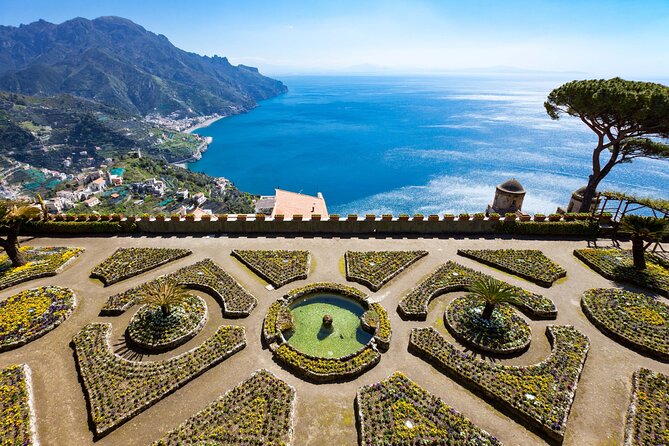
From Villa Rufolo you move to Villa Cimbrone Gardens, with about 30 minutes here. If you only have time for one garden viewpoint in Ravello, Cimbrone is usually the one.
The standout is the Terrace of Infinity, lined with marble busts along a balustrade that visually frames the sea and sky like a postcard. The garden walkways, rose areas, and shaded sections help you handle hot weather, since you are not exposed the whole time.
Because your time is limited, go first for the main terrace view, then use the remaining minutes to roam the garden paths lightly. If you do it the other way, you might spend too much time admiring side details and end up missing the classic view.
Minori and Maiori: calmer coastal breaks
Not every Amalfi Coast stop needs to be a major tourist magnet. Here you get Minori and Maiori, each with around 30 minutes.
Minori is known as a city of taste and has a small beach area plus a lively food scene in the lanes. You may see references to Roman roots as well, including a 1st-century villa remain tucked into town. For a quick pause, this stop feels more like an authentic seaside break than a shopping sprint.
Maiori has one of the longer beaches on the coast, so it feels breezier and more open. You get a wide promenade and easier access to the sea. This can be a nice reset after Pompeii’s walking, because you can choose to stand, stroll slowly, or grab a drink and watch the water.
Cetara and Vietri sul Mare: working coastline and ceramics
Along the drive you also catch viewpoints and short breaks connected to Cetara and Vietri sul Mare.
Cetara is a small fishing village, and the charm here is that you are seeing everyday maritime life. The harbor, colorful boats, and a watchtower give you a clear sense that the town’s rhythm is still tied to the catch. It is also known for anchovies, which helps explain why food is part of its identity.
Vietri sul Mare is the artistic gateway on the coast, known for ceramic tiles and bright decorative church details. Even from the road, you can see the colors and patterns that make the town recognizable. It is a fun stop if you like practical souvenirs that feel linked to place, not mass-produced trinkets.
Price and value: what $508.61 buys you
At $508.61 per person, this is not a budget outing. The value comes from three areas that add up fast if you tried to DIY it:
First, you get private transportation with an English-speaking driver and live commentary. That alone often costs a lot when you factor in separate transfers.
Second, you get control over your day. Pompeii can be self-paced or guided depending on your option. The Pompeii guide option includes express-style entry support and a licensed guide for Pompeii, which matters because Pompeii is big, and context helps you understand what you are looking at.
Third, you get the coast drive handled. On the Amalfi side, time is money because traffic can steal your plans. Having a driver who can manage the timing, pullouts, and the order of stops is the whole point.
What is not included is lunch, so you will want to plan for either purchasing food during town time or bringing your own strategy. Also note that admission fees at Pompeii and the private guide are tied to the Pompeii option you choose, so check your exact ticket tier before you assume everything is included.
As for value, the best-fit traveler is someone who cares more about a smooth, story-guided day than about checking every cost line. If you love ruins and you want the day to feel manageable, this price often feels fair. If you only want the cheapest transport and you plan to walk everything alone, you might find other lower-cost options, but they come with extra planning stress.
Who should book this tour, and who should skip it
This is a strong match for families and mixed-age groups who want a private schedule. Many people appreciate the way guides can adjust pacing and attention, especially when kids need frequent breaks or when adults want deeper explanation at specific highlights like the Forum or the baths.
It also fits solo travelers who like guided structure but still want freedom. Ravello’s hour of free time is a good example, it gives you space to explore without constantly asking permission to linger.
You might want a different plan if you hate long drives or if you have a schedule that is extremely tight around traffic. Even with a driver, the coast roads can slow you down, especially on busier travel days.
And if walking is an issue, you should plan around Pompeii’s terrain. The tour notes that there are cafés and gift shops right in front of the ticket office, which can help you manage shorter walking distances. But you should still be ready for outdoor walking at Pompeii.
Should you book Private Pompeii & Ravello via the Amalfi Coast?
I would book it if you want a single-day plan that hits Pompeii first-rate highlights and then gives you Ravello’s terrace calm plus a classic Amalfi Coast drive. The private setup and full-day driver are the main reason this works, and the option to add a Pompeii guide is the lever that turns a good visit into a smarter one.
I would not book it if you are allergic to crowds and also determined to do everything at peak hours, because traffic can squeeze stop time. I would also think twice if you want zero walking at Pompeii, since you still need to manage outdoor terrain.
If you book, one smart move is to ask the driver how they recommend sequencing the day based on your travel date. Guides like Fabrizio are the sort who can make practical suggestions, including timing choices that can reduce frustration at Pompeii.
FAQ
How long is the Private Pompeii & Ravello day trip?
It runs about 8 to 9 hours.
Do I get hotel pickup?
Yes. Pickup is offered from places like Naples, Sorrento, Pompeii, and other nearby locations. You specify your pickup place at booking.
Is this tour private?
Yes. Only your group participates.
Is Pompeii admission included?
Admission fees at Pompeii are not included unless you select the Pompeii guide option. The exact inclusion depends on the option you choose.
What language is the driver commentary?
The tour includes an English-speaking driver with live commentary on board.
How much free time do I get in Ravello?
You get about 1 hour in Ravello.
Are there other stops besides Pompeii and Ravello?
Yes. The day also includes stops such as Villa Rufolo, Villa Cimbrone Gardens, Minori, Maiori, plus viewpoints around Cetara and Vietri sul Mare.
Can I cancel and get a full refund?
Yes, free cancellation is available up to 24 hours in advance for a full refund.
Is lunch included?
No. Lunch is not included.
More Day Trips from Sorrento to Compare
- Discover the Ancient Ruins of Pompeii: Day Trip from Rome
★ 3.5 · 2,247 reviews - Pompeii Ruins Half-Day Tour from Sorrento with Guide
★ 4.0 · 714 reviews - From Sorrento: Day Tour to Pompeii Ruins and Mount Vesuvius
★ 4.3 · 489 reviews - Guided Day Tour of Pompeii and Herculaneum with Light Lunch
★ 4.5 · 311 reviews
More Pompeii Tours to Compare
- Pompeii: Entry Ticket and Guided Tour with an Archaeologist
★ 4.8 · 19,459 reviews - Pompeii: Entry Ticket with Optional Audio Guide
★ 4.2 · 12,360 reviews - Pompeii: Small Group Tour with an Archaeologist
★ 4.8 · 12,264 reviews - Pompeii Small Group Tour with an Archaeologist
★ 5.0 · 6,593 reviews
Recently reviewed around Pompeii
- Mt. Vesuvius Wine Tasting and Lunch Experience from Pompeii★ 4.5 · 20 reviews
- Pompeii Small Group with an Archaeologist and Skip The Line★ 5.0 · 121 reviews
- Pompeii from Afternoon to Sunset★ 5.0 · 108 reviews
- Private Guided Tour and VR Headsets in the Ancient Pompeii★ 5.0 · 3 reviews
- Visit Pompeii with a local expert guide★ 5.0 · 10 reviews
- Traditional Neapolitan Dinner in Pompei – Villa Franca – Family Restourant★ 5.0 · 8 reviews
- Discover Pompeii on this Guided Walking Tour of the Buried City★ 4.0 · 9 reviews
- 2 Hours Private Walking Tour in Pompeii with an Archaeologist★ 5.0 · 15 reviews
Ravello Tours, compared.

Day Trip to Positano, Amalfi & Ravello from Sorrento
Read our review →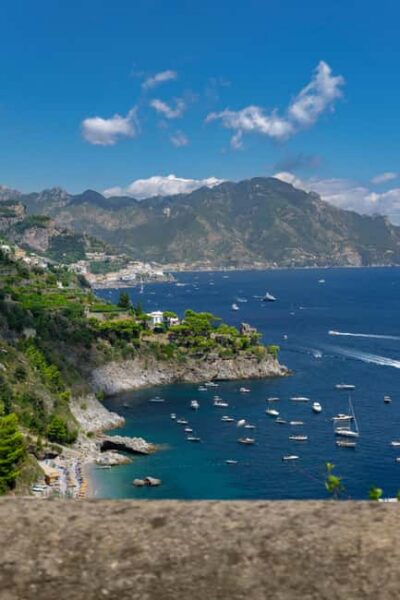
From Naples/Salerno: Group Tour to Positano, Amalfi, Ravello
Read our review →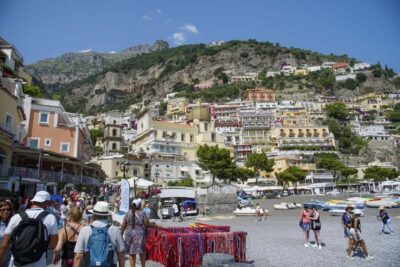
Full-Day Boat Tour to Positano, Amalfi and Ravello
Read our review →
Positano, Amalfi & Ravello: Private Amalfi Coast Tour
Read our review →
From Pompeii/Vico Equense: Amalfi, Positano, & Ravello Tour
Read our review →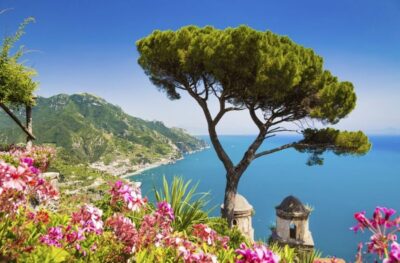
Small Group Tour to Positano, Amalfi and Ravello
Read our review →
Vespa Tour of Amalfi Coast Positano and Ravello
Read our review →Browse the lists this tour appears in