
Reviewed · HERCULANEUM TOURS
Herculaneum: 2hour Shared Guided Tour + entry tickets
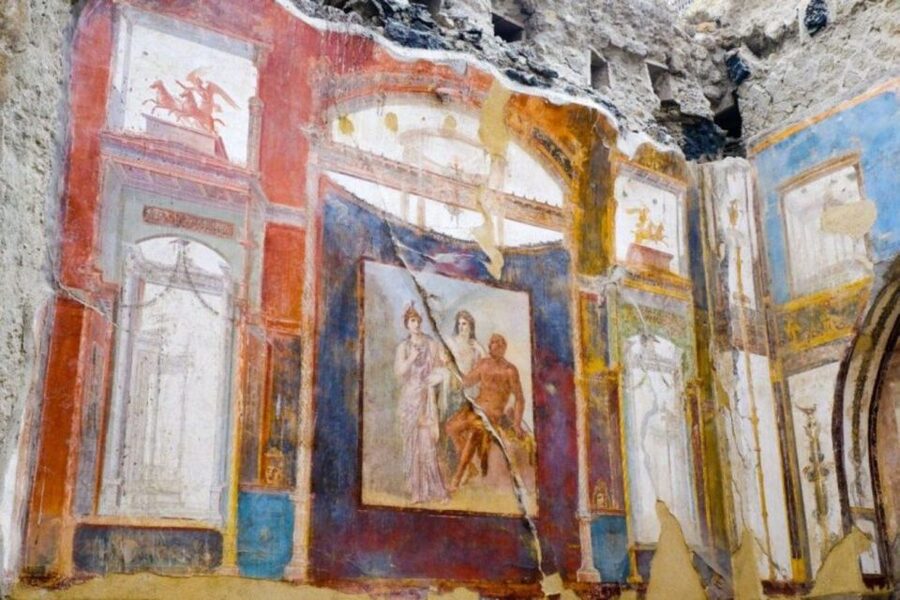
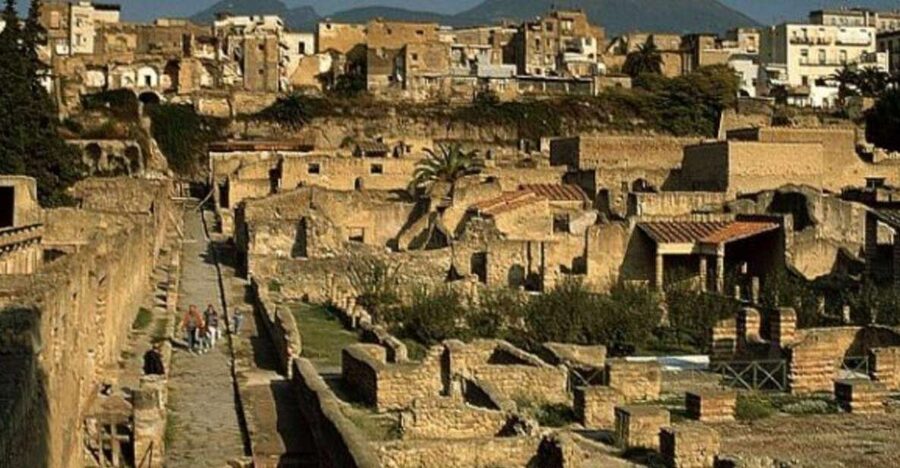
Herculaneum is fascinating because the whole town got sealed in place after Vesuvius erupted in 79 AD, so you walk through Roman streets that still look lived in. You see houses, wooden structures, furniture, and everyday objects that survived under pyroclastic material. It feels different from other ruins, because it is not just stone walls, it is daily life frozen in time.
What I like most is that you get a 2-hour shared guided tour instead of wandering alone, and the guide helps you spot what matters. The second big win is sound control, in one recent experience the guide used radio headphones and a microphone so you could actually hear the story as you walked. One consideration: 2 hours is tight, so if you want extra time on every single detail, you may wish the tour went longer.
Key moments worth your attention
- Skip-the-line entry so you can start seeing the park sooner
- 2 hours with an English live guide that puts the sights into context
- Headsets or whisper tech for larger groups so you do not miss the commentary
- Focus areas like frescoed villas, bath complexes, workshops, and storerooms
- Time in the narrow streets where the preservation makes the past feel close
Why Herculaneum feels different from other Vesuvius sites
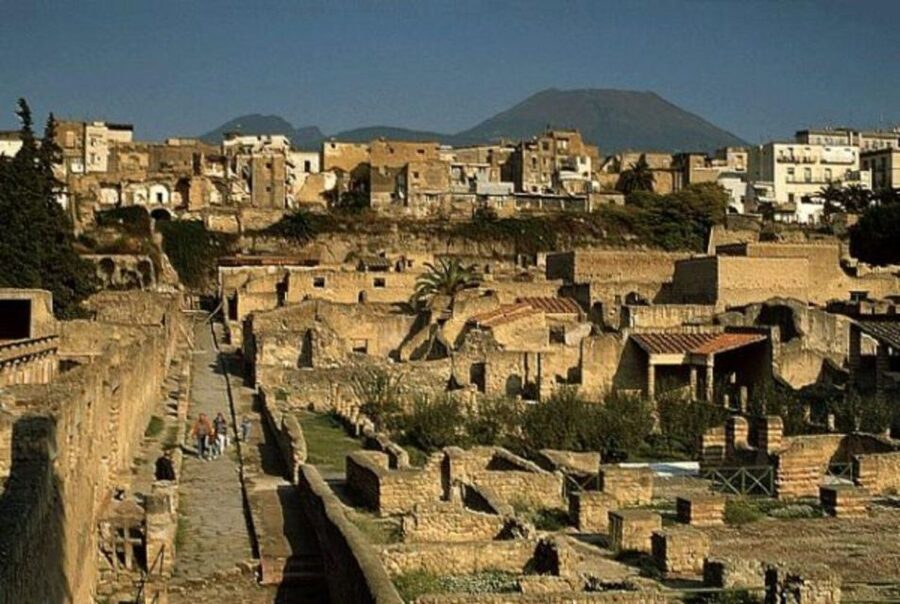
If you have been to Pompeii, you already know Roman ruins can be impressive. Herculaneum adds a different kind of wow. Here, the eruption buried the town and sealed it under protective pyroclastic material, which helped preserve more than you might expect. You can still understand how spaces worked: rooms, doorways, and everyday corners.
During this tour, you are guided through the park with the goal of helping you make sense of what you are seeing. You are not just looking at what survived. You are learning what those surviving pieces suggest about daily routines. That is why the narrow streets matter. They keep pulling your attention toward the way people moved, worked, and lived.
And yes, the “stuck in time” feeling is real, but it is not magic. It is a result of preservation. Seeing upper floors, wooden elements, and household objects makes the whole place feel more human than many sites that are mostly stripped down to foundations.
More Herculaneum tours to compare:
- Ercolano: Herculaneum Entry Ticket with Optional Audio Guide
★ 4.1 · 581 reviews - Herculaneum: Skip The Line Entrance ticket + Audioguide
★ 4.3 · 266 reviews - Naples: Pompeii and Herculaneum Tour with Tickets and Lunch
★ 4.4 · 136 reviews
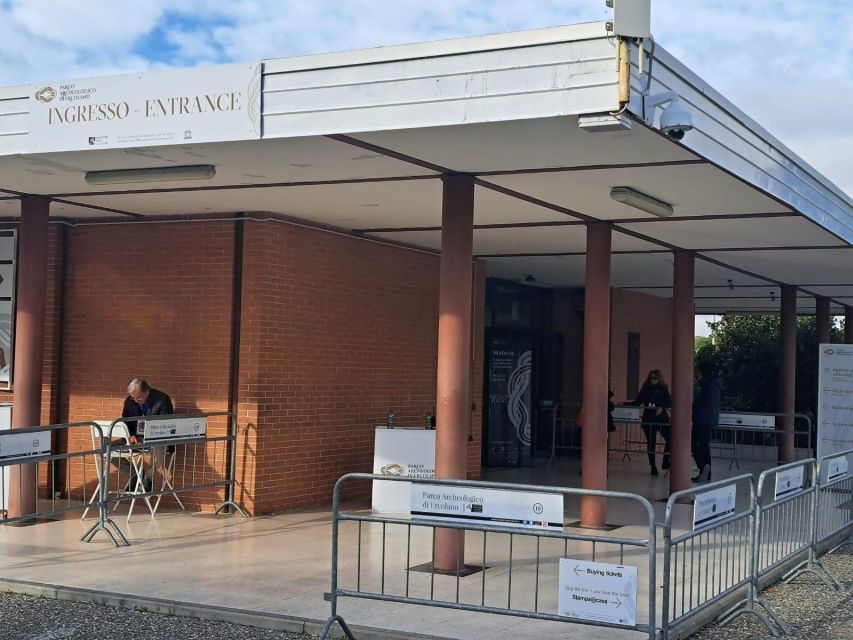
Meeting at the Herculaneum ticket office and getting in cleanly
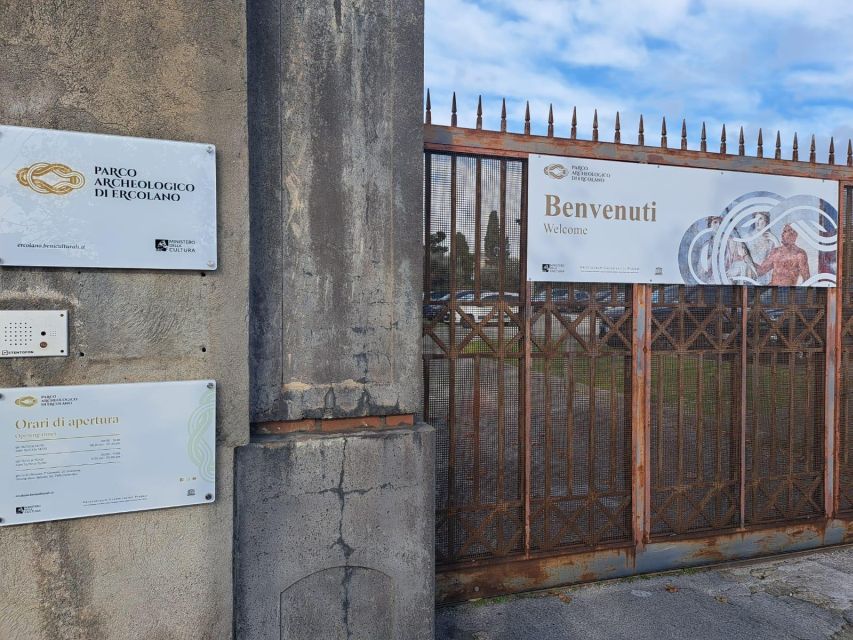
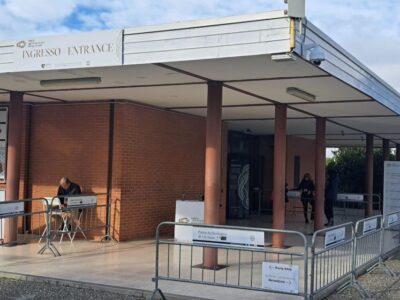
This tour starts in a simple, no-drama way. You should arrive at the Herculaneum archaeological park ticket office. The guide waits for you at the entrance, so you are not stuck searching around for the right group.
This matters more than it sounds. Herculaneum can be busy, and the fastest way to lose your energy is to spend it in a line. The tour includes skip-the-ticket-line entry, which helps you spend your limited time on the park itself.
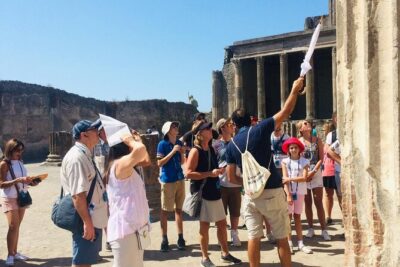
Because it is a shared tour, you should expect a paced group walk. Nobody gets a private route. Still, having a guide who keeps people moving at the right speed is a practical advantage, especially when you are trying to absorb details in a compact area.
The 2-hour flow: what you do, and what you might miss
The total time on the ground is about 2 hours. That shape usually means the guide will hit the most iconic and explanatory stops rather than letting the group linger forever at every micro-detail.
Here is the practical rhythm you can expect. After entry, you start walking through the streets and key areas where the preservation is easiest to understand. Then you move through highlighted zones that show different sides of Roman life.
The stops that get attention typically include:
- frescoed villas and decorative spaces
- bath complexes (where hygiene and social routines show up in layout)
- workshops and working areas
- storerooms, which help you picture food storage and supply
This is exactly the kind of mix that helps you understand a town as a system, not as a pile of rooms.
One drawback to plan for: in one 2-hour guided experience, the guide did not go down to an area connected to human remains, which meant less time on skeleton-focused explanations. In a shorter tour, you sometimes get fewer branching options. If that topic is high on your list, ask your guide at the start what portions of the park you will cover within the 2-hour window.
Frescoed villas: how decoration tells you about status
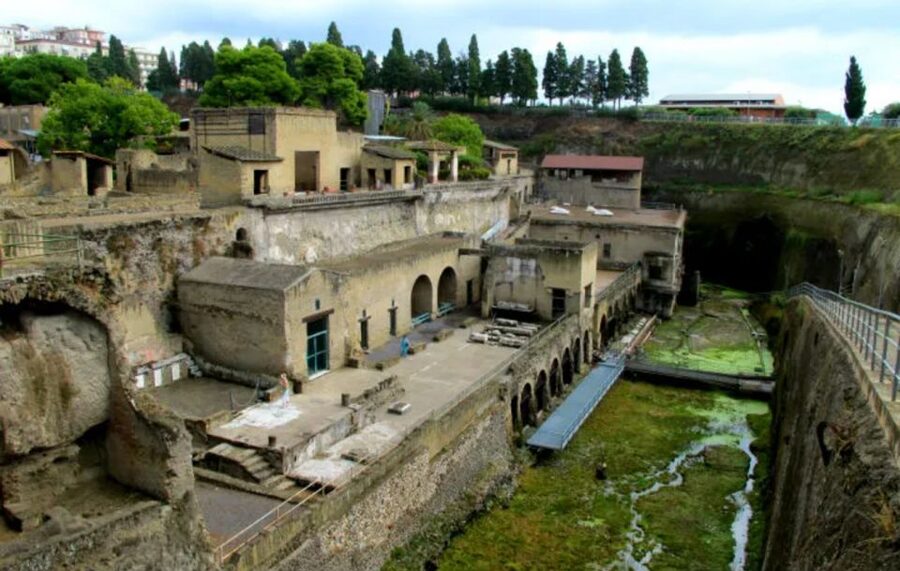
When the tour reaches the frescoed villas, pay attention to the fact that you are not only seeing art. You are seeing communication. Wall paintings in Roman domestic spaces often signaled taste, wealth, and worldliness.
What I like about having a guide here is that the explanations tend to connect design choices to daily life. Without that layer, frescoes can look simply pretty. With the commentary, they start acting like clues.
This is also where preservation really helps. Herculaneum’s condition means you can better imagine rooms as they were, including how surfaces and spaces were arranged. The result is that you can picture the feel of coming home, entering a room, and living with decoration around you.
In a shared group, you cannot stop to stare forever. But if you listen for what the guide points out, you will leave with more than a photo. You will understand why the details matter.
A few more Ercolano trips worth comparing
- From Naples_ Vesuvius transfer+ticket and digital audioguide
★ 3.7 · 58 reviews - Herculaneum Guided Walking Tour with Entry Ticket
★ 3.7 · 21 reviews - Herculaneum with an Archaelogical Guide & Ticket
★ 4.8 · 11 reviews - Herculaneum: Entrance tickets + audioguide
★ 2.7 · 4 reviews
Bath complexes: the social side of everyday routine
Roman baths are not just about cleanliness. They were also social space, and the layout can show how people used time during the day.
In this tour, the guide brings you through bath complexes so you can make sense of the sequence of spaces. Even if the details are small, the value is in seeing how different rooms relate to each other, not just copying what you think you see.
If you like learning through architecture, baths are a good match. You can read the logic of the building. You can also see how the town’s design supported routine, not just survival.
A guide also helps you avoid a common mistake: treating baths like one big room. Roman bath areas usually function as a set of connected stages. With the commentary, you get that structure in your head while you are walking through it.
Workshops and storerooms: where daily work becomes visible
Herculaneum’s preserved spaces make it possible to get closer to work life. The tour includes workshops and storerooms, and this is one of the most satisfying parts if you enjoy everyday history.
Workshops help you visualize labor. Storerooms help you visualize supply, food, and storage. Together, they answer questions you might not even think to ask at first, like how a household or small business kept going.
This is where I think a guide adds real value. If you wander alone, you might notice the space but miss how it fits into the larger picture of the town. With a guide, the commentary tends to connect the visible remains to the kind of activity that likely happened there.
And because the eruption sealed so much in place, Herculaneum often feels less abstract than other ancient sites. You can more easily picture the “before” because objects and structure remained.
Narrow streets and preserved upper floors: the feel of walking in someone’s day
If there is one reason this tour stands out, it is the walk itself. Herculaneum has narrow streets, and the preservation keeps you from feeling like you are just looking at ruins at a distance.
As you move through the narrow streets, you get a stronger sense of movement and scale. Doorways and the way rooms connect help you understand how close neighbors were. It is also easier to imagine the everyday rhythm, because the town layout is still readable.
Upper floors and wooden structures, where preserved, also change how you interpret the site. You are not only seeing the skeleton of buildings. You are seeing hints of how people lived vertically, how households used different levels, and how materials shaped rooms.
That is the “why” behind the tour format. A guided route makes the walk coherent. You understand what you are passing and why it matters.
Hearing the guide: headsets, mic, and keeping the group together
Sound is a surprisingly big part of tour quality at archaeological parks. If you cannot hear, you stop listening and you start just walking.
The tour setup includes whispers for groups with more than 15 people. That means you should not rely on shouting over the crowd. In at least one recent experience, the use of radio headphones and a microphone made a noticeable difference, especially for people who have tried an audio guide style visit before.
So if you care about the story, this is a real plus. It also helps you keep your eyes on the ground-level details rather than constantly turning your head to find the guide.
Language is also worth noting. The live tour guide is English. One experience mentioned the guide did not speak French, so plan accordingly if you are expecting another language.
What the $46 price includes, and why it can still feel fair
At $46 per person for a 2-hour shared guided tour, you are paying for three things: a guided route, a live English commentary, and entry tickets. The inclusion of entrance tickets and skip-the-ticket-line access helps your money translate into time, not paperwork.
What is not included can matter if you were hoping to self-manage:
- no audioguide
- no map
- no transfer
If you already know how you will reach the meeting point and you are comfortable reading the park with just your guide, then the price looks more attractive. If you need extra printed support or prefer independent exploration, you might feel like you are paying for a guide and not getting the extra tools.
That said, in a park like Herculaneum, a guide is often the difference between seeing surfaces and understanding what you are looking at. For many people, that is the whole point.
Who this tour is best for
This shared guided tour is a good fit if you want:
- a structured 2-hour visit
- expert storytelling in English
- help hearing the guide during a walk
- a tour that focuses on key areas like villas, bath complexes, workshops, and storerooms
It may not be ideal if:
- you want a very long, slow, self-paced visit
- you want maximum time on every single possible sub-area connected to remains
- you are not comfortable with an English-only guide
Also, bring comfortable shoes and comfortable clothes. You will be walking through a park that rewards good footing. Herculaneum is not a place for heavy boots that hurt, and it is not a place for fashion sandals either.
Quick advice before you go
Here are a few things that make the tour easier and more enjoyable:
- Plan to arrive at the ticket office on time so you do not lose minutes waiting for the group.
- If human remains topics are a must for you, ask early whether those sections are covered within the 2-hour plan.
- Wear layers if the weather shifts, since you will be outdoors walking between stops.
- If you already visited Herculaneum using an audio-only approach, go with the mindset that the guide will add context and fresh interpretation.
Should you book this shared guided tour of Herculaneum?
Book it if you want the best chance of understanding Herculaneum in a short visit. The combination of 2 hours guided, skip-the-line entry tickets, and audio support like whispers for larger groups makes it a practical choice.
Skip it or consider a different format if you want a longer, slower walk or you know you need lots of time in every corner, including the more specific areas that some shorter tours may not fully cover.
FAQ
How long is the Herculaneum shared guided tour?
The tour lasts 2 hours.
What is included in the price?
The tour includes the 2-hour shared guided tour and entrance tickets. It also includes whispers for groups with more than 15 people.
Is there an audioguide included?
No. An audioguide is not included.
Is the tour in English?
Yes. The live tour guide is English.
Where do I meet the guide?
You should arrive at the ticket office of the Herculaneum archaeological park. The guide waits for you at the entrance.
Does the tour skip the ticket line?
Yes. It includes skip-the-ticket-line entry.
What should I bring?
Bring comfortable shoes and comfortable clothes.
What is not included?
The tour does not include an audioguide, a map, or transfers.
Can I cancel and get a refund?
You can cancel up to 24 hours in advance for a full refund.
Who runs the experience?
The provider listed is Tempio Travel Pompei Tickets.
Recently reviewed around Ercolano
- Herculaneum with an Archaelogical Guide & Ticket★ 4.8 · 11 reviews
- Herculaneum Archaeological Park smart Audio Tour★ 3.8 · 70 reviews
- Herculaneum – Small Group Tour (admission included)★ 5.0 · 14 reviews
- Herculaneum: Private Tour with Driver from Naples★ 4.6 · 15 reviews
- Herculaneum: Skip-The-Line Entrance Tickets + Audioguide★ 4.7 · 3 reviews
- Herculaneum: Private Walking Tour with Archeologist Guide★ 5.0 · 59 reviews
- Herculaneum: Entrance tickets + audioguide★ 2.7 · 4 reviews
- Herculaneum Guided Walking Tour with Entry Ticket★ 3.7 · 21 reviews
Herculaneum Tours, compared.
Pompeii and Herculaneum Small Group Tour with an Archaeologist
Read our review →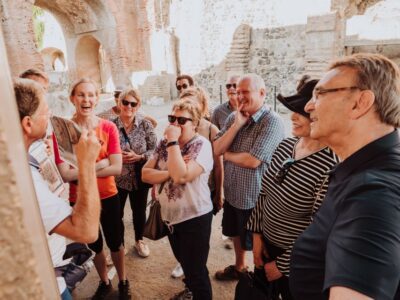

Herculaneum Entry Ticket with Optional Audio Guide
Read our review →
Herculaneum: 3D Walking Tour with Skip-the-Line Ticket
Read our review →
Guided Day Tour of Pompeii and Herculaneum with Light Lunch
Read our review →
Private Day Tour to Vesuvius, Herculaneum & Pompeii with Pick Up
Read our review →
Herculaneum: Skip The Line Entrance ticket + Audioguide
Read our review →Browse the lists this tour appears in