

Reviewed · AMALFI COAST TOURS
Amalfi Organic Lemon Tour & Tasting in the Historical Garden
This experience is interesting because it swaps Amalfi sightseeing for a living, working lemon garden where the view opens over the coast as you walk. You are in the Amalfi Historical Garden, a terrace system built to survive wind, drought, and time, not a tidy photo stop.
I love the lemon tastings at the end, especially the organic lemonade, Limoncello, and lemon cake made from the farm’s own fruit. Your guide is often a family member such as Giovanna or Joanna, and the passion is real. The only drawback to plan for is that the route involves lots of stairs and steep ground, and it is not suitable for mobility impairments, or for people with heart or respiratory issues.
Key Highlights Worth Knowing
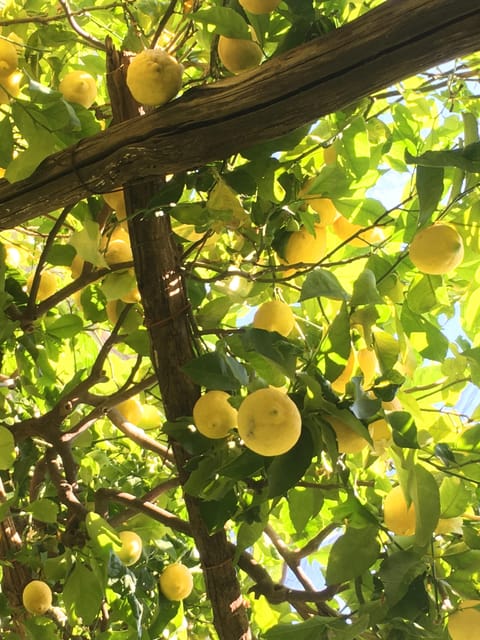
- A real ancient terrace garden, not a conventional green space, with pergolas, stone walls, and historic water systems
- Organic lemon flavors you can taste, including lemonade, Limoncello, and lemon cake
- Family-led explanations in English, with farm history and citrus-growing know-how
- Views over Amalfi and the blue sea, built into the walking route during a relaxing break
- Sustainable agriculture lessons, from cisterns and channels to biodiversity and reuse-minded farming
- Special prices on typical local products at the garden (if you want to stock up)
Why This Tour Feels Like Amalfi, Minus the Noise
In Amalfi, it is easy to get stuck in the same loop: walking, shopping, and hunting for the next viewpoint. This tour does something smarter. You head straight into the working Amalfi lemon farm setting, where the main character is the garden itself.
What makes it click is the mix of place and purpose. The garden is described as a hard-to-preserve vertical terrace farming environment, with pergolas and branches that shape how sunlight lands. You walk under citrus trees where everything smells like lemon rind and crushed leaves. Then you stop for tastings that feel connected to what you just learned.
You also get a clear message that goes beyond fruit. The guide frames the farming philosophy as peasant wisdom, balance, and reusing what you can, which is why they emphasize organic quality and a simpler lifestyle. If you like experiences where food connects to how people lived, this one lands.
The day still has a tourism side, since there’s tasting and a nice break with sea views. Just know the tour is first and foremost about the garden and the work it took to keep it alive.
More Amalfi Coast tours to compare:
- Amalfi Coast: Boat and Snorkeling Tour with Fruit & Drinks
★ 4.9 · 985 reviews - Hands-On Cooking Class & Farmhouse Tour on the Amalfi Coast
★ 5.0 · 956 reviews - Amalfi Coast & Positano: Boat Tour with Snorkeling & Drinks
★ 5.0 · 671 reviews
Meeting at the Gate in Amalfi Center, and What to Do First
The tour starts in Amalfi center, at the gate of the Lemon Farm. After you book, you receive the exact details, but the idea is simple: you meet at the farm entrance, then begin your guided walk right away.
One practical note: there are two starting options listed, but in all cases you are meeting at the farm area. If you are coming down toward Amalfi from Pontone or Scala, you should not try to reach the usual meeting point. Contact the operator to meet you on the way down, so you do not waste time zigzagging through the wrong lanes.
The group is shared and kept very small, which matters here. With just a handful of people, you get time to ask questions while you are walking under the trees, not five minutes at a time on a crowded route.
Expect real movement. There are no concrete roads or platforms under the lemon trees. That is good for the authenticity, and it also means you should wear shoes with decent grip. Even if you consider yourself “fine on stairs,” this is still a hill-and-steps kind of walk.
The Amalfi Historical Garden: Terrace Farming That Looks Wild and Works Hard

This is where the tour earns its name. The garden is presented as a unique terrace farming system, built to handle a steep coast and limited water. It is not your average “pretty orchard.”
Here is what you see as you go:
- Terraced gardens and pergolas built with chestnut wood from local forests
- Ancient cisterns and water channels that bring water from crystal-clear high springs
- Hand-built stairways linking terrace levels
- Macerine stone walls, used as real containers of earth and rocks from terrace to terrace
These details are not trivia. They explain why Amalfi lemons became famous in the first place. When you live on steep hills, you cannot waste space. You also cannot rely on modern irrigation convenience. So people engineered a system where every step of the terrace has a job.
You also learn about how hard it is to preserve these gardens. The setup is vertical by nature, and the sun filtering through branches changes the feel of the walk, turning it into something closer to a natural corridor than a straight path through rows of trees.
One more thing I like: the guide treats this as living work. You are not just looking at lemons, you are learning how centuries of people made terrace farming possible, and why the garden still needs care.
How the Guide Connects Historical Documents to Today’s Farming
The tour includes historical information and time with historical documents. That means you do not only get a “how lemons grow” lecture. You get a sense of how people understood the land and fought to keep it usable.
The guide also explains the peasant mindset at the center of the farm philosophy: balance, gratitude, wonder, and reuse. It is not a random wellness speech. It is framed as practical farming logic. Biodiversity gets supported when you stop trying to force nature into a one-crop system, and organic quality is the outcome of that approach.
You hear about the role of women and animals in past lemon harvesting too. The tour describes how lemons were carried by mules and people, with baskets balanced on shoulders. That detail matters because it gives you perspective. Terraces are not just pretty geometry. They were built for labor, then maintained through generations.
The tour also comes with a simple attitude request. The garden welcomes people who are nature lovers, described as naturophiles. It is basically a polite way of saying: come with patience, do not rush, and respect the thorns and the rough branches. Lemons are not fragile decoration here.
More food tours in Amalfi:
- Amalfi: Limoncello Factory Visit with Instructor and Tasting
★ 4.9 · 45 reviews - Amalfi Organic Lemon Tour & Wine Tasting + Dinner or Lunch
★ 5.0 · 4 reviews - Sorrento Farm and Food Experience including Olive Oil, Limoncello, Wine tasting
★ 5.0 · 2,524 reviews - Naples: Pompeii and Mt. Vesuvius with Lunch and Wine Tasting
★ 4.5 · 2,454 reviews
The Walk, the Break, and the Part You Actually Remember: Lemon Views Plus Tastings

The middle of the experience is a guided walk through lemon groves, with stops for explanation and a gradual shift toward a relaxing break.
At some point, you pause with a stunning view overlooking Amalfi and the blue sea. This is not a random photo break. It works because you are already thinking about terraces and farming logistics, so the panorama makes sense. You are seeing the same coast that shaped this entire growing system.
Then the tasting happens. Included tastings are:
- Organic lemonade
- Limoncello
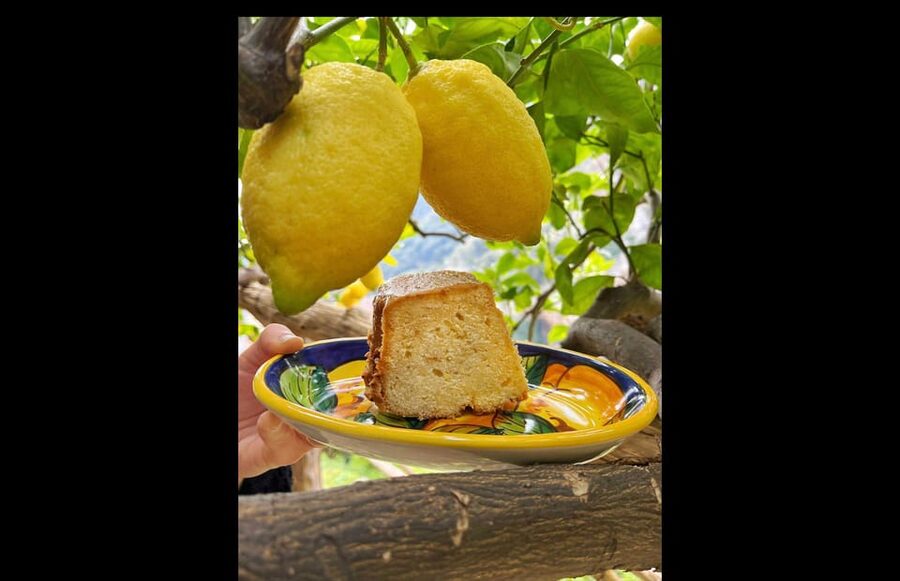
- Lemon cake
This is where many people decide if they love the tour. Organic citrus tastes different. It comes through as sharper perfume and a cleaner acidity rather than just sweetness. The lemon cake also reinforces that you are not eating generic lemon dessert. It is linked back to the fruit and the farm’s organic approach.
Based on what I saw in the experience notes from different parties, you might also encounter small additional treats such as candied lemon peel, honey, or even perfume-like citrus aromatics. The exact extra items can vary, but the core set of included tastings stays the same.
The best part is pacing. You finish the walk with flavor and comfort, not with a scramble back down before you can enjoy what you learned.
Lemon Season Tip: When Lemons Are Yellow (and When You Might See Green)
A helpful detail before you plan dates: lemons are yellow only between February and July. That does not mean the farm is closed or the tour is pointless outside those months. It just means the fruit on the trees may not look fully yellow yet, depending on timing.
If you care about the classic Amalfi look, aim for that Feb to July window. If you are traveling in late fall or winter, still go for the tour, but expect the color and ripeness on the trees to vary.
This seasonal note is worth taking seriously because it changes how you experience the garden visually. Bright yellow fruit is a feast for the eyes. Green lemons are more subtle, but they can still support the same tasting approach.
Pricing and Value: Why $59 Can Be a Bargain in Amalfi
At $59 per person for 1.5 to 2.5 hours, the question is simple: what do you get for your time?
Here is the value equation as I see it:
- You pay for a small-group guided walk in a working farm environment
- You get included tastings (lemonade, Limoncello, lemon cake), so you are not doing the usual Amalfi pattern of buying everything separately
- You learn why the garden is hard to preserve, including irrigation and terrace engineering, not just where to take pictures
- You get access to special prices on local typical products at the garden, which can offset the cost if you plan to buy something anyway
If you compare this to a lot of Amalfi activities that mostly offer a view and a short explanation, this has more substance. The price also feels reasonable because you are paying for family-run labor and preservation work, not a standardized factory-like attraction.
One small reality check: you are spending money on an experience, not a full meal. If you want lunch in the same area, plan for it separately.
Who This Tour Is For (and Who Should Skip It)

This is a great fit if you like:
- Food experiences that connect to a specific place and method
- Gardening, farming, and how people manage steep landscapes
- Small groups and slower pacing
- Views that feel earned, because you walked through the terraces to get them
It is less ideal if you:
- Need a flat, low-step route (it is not suitable for mobility impairments)
- Have heart or respiratory issues that make steep walking risky
For families, the notes point to success for people with teens who enjoy learning. The tour is still active, so the main question is stamina, not age.
Also, if you dislike stairs in general, do not pretend you will love this. The tour itself explains it is made of Amalfi steps, and the garden has no concrete paths under the trees. You will feel that.
Should You Book This Amalfi Organic Lemon Tour?

Yes, if you want something more personal than the typical Amalfi circuit. I think it is one of the better values in town because you get a working garden, real explanations, and tastings that actually taste like where they came from.
Book it especially if:
- you care about organic farming and sustainable terrace agriculture
- you want to take a break from crowds without giving up a beautiful payoff
- you like citrus enough that lemonade and Limoncello sound fun, not gimmicky
Skip it (or choose another option) if:
- stairs and steep ground are a problem for you
- you are looking for a quick, low-effort photo stop
If you fall somewhere in between, the key is your attitude. This garden rewards patience. Come ready to walk, smell the trees, listen to the details about water and stone, and end the tour with lemon flavors that make sense.
FAQ
How long is the Amalfi Organic Lemon Tour & Tasting?
The tour runs about 1.5 to 2.5 hours, depending on the starting time and the flow of the walk.
What do you taste during the tour?
Included tastings are organic lemonade, Limoncello, and lemon cake.
Is the tour offered in English?
Yes. The tour guide provides the experience in English.
Where do I meet, and what if I am coming from Pontone or Scala?
Meet at the gate of the Lemon Farm in Amalfi center. If you are coming down from Pontone or Scala, you should contact the operator to meet on the way down to Amalfi instead of going to the standard meeting point.
Is there a lot of walking or stairs?
Yes. The experience takes place on terraced grounds with stairs and steep inclines, and there are no concrete roads or platforms into the gardens under the lemon trees.
Is the tour suitable for people with mobility issues?
No. It is not suitable for people with mobility impairments.
Can I cancel for a refund?
Yes. There is free cancellation up to 24 hours in advance for a full refund.
Recently reviewed around Amalfi
- Sorrento: Amalfi Coast & Ieranto Bay Eco-Friendly Boat Trip★ 4.9 · 37 reviews
- From Amalfi: Private Sunset Cruise along the Amalfi Coast★ 4.9 · 13 reviews
- Positano: Boat Adventure, Caves, Beaches, Snorkeling, Amalfi★ 5.0 · 13 reviews
- Naples: Full-Day Sorrento, Positano, and Amalfi Tour★ 4.7 · 3 reviews
- From Sorrento: Small-Group Amalfi Coast Boat Tour★ 4.5 · 94 reviews
- From Amalfi: Small Group Boat Excursion to Capri Island★ 4.6 · 101 reviews
- From Amalfi: Day Trip to Capri Private Boat Tour with Drinks★ 4.8 · 82 reviews
- From Amalfi: Li Galli and Capri Islands Boat Tour★ 5.0 · 8 reviews
Amalfi Coast Tours, compared.


Day Trip to Positano, Amalfi & Ravello from Sorrento
Read our review →
From Naples/Salerno: Group Tour to Positano, Amalfi, Ravello
Read our review →


Full-Day Amalfi Coast Experience from Sorrento, Naples or Salerno
Read our review →
Amalfi Coast Day Tour from Sorrento with Light Lunch and Wine
Read our review →
Private Amalfi Coast Day Tour from Sorrento or Naples
Read our review →Browse the lists this tour appears in