

Reviewed · POSITANO TOURS
Positano: Small-group Cooking Class at a Local’s Home
This small-group cooking class in Campania is interesting because you learn in a real local home, then you eat what you make right there. You’ll handle the recipes yourself, and it comes with a straightforward wine pairing so you can taste and adjust your food as you go.
I especially like the fact that you’re not watching from the sidelines. You get a workstation with utensils and all ingredients, so you can focus on learning technique. And I also like that the host shares the stories behind the food, often drawing from family cookbooks.
One possible drawback is timing and location uncertainty. For privacy, you only get the full address after you book, and you should be ready for the class to be in a nearby spot instead of right in central Positano.
Key Points You’ll Care About
- Small-group size (max 10), so you can ask questions and actually work the recipe.
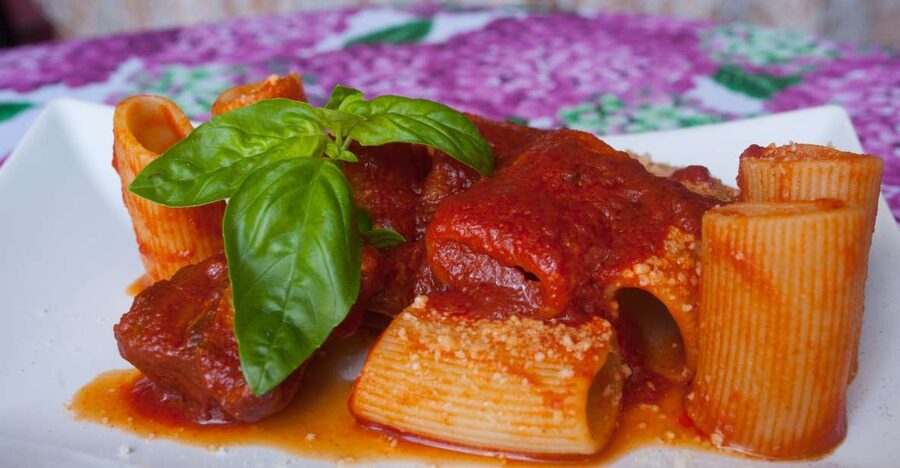
- Three courses from scratch, starting with a seasonal starter, then regional fresh pasta, then a typical dessert.
- Everything provided: utensils, ingredients, plus water, local wine, and coffee.
- You learn from a home cook, not a scripted show, with tricks of the trade and recipe context.
- Family storytelling through cookbooks, which helps you understand what makes regional Italian cooking different.
- English and Italian instruction, so you’ll have support even if your Italian is rusty.
Why This Positano Home Cooking Class Feels Like Real Italy
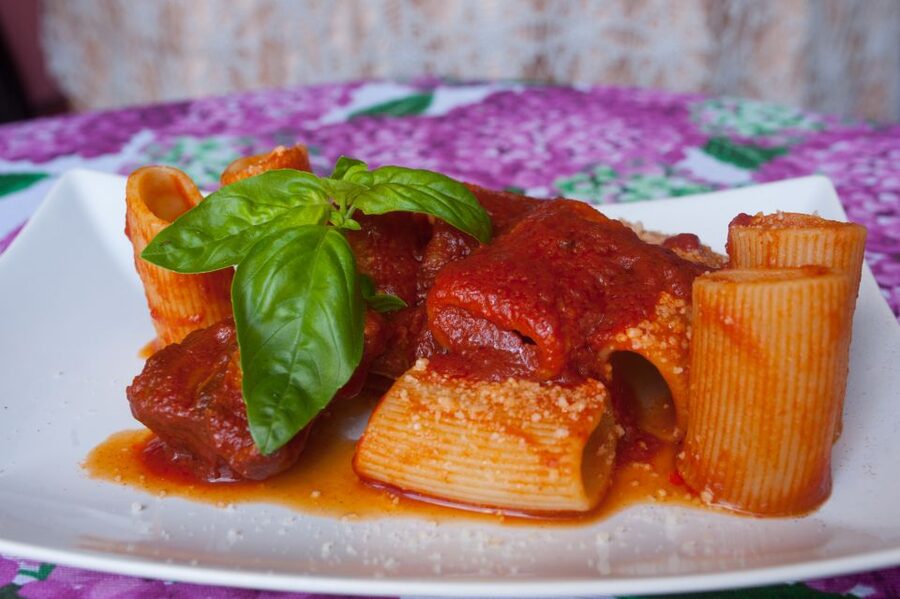
In Italy, food is never just food. It’s family rhythm, regional pride, and small habits passed down in kitchens where people actually cook on ordinary days. That’s the core idea here: you’re in a local home, working through a starter, pasta course, and dessert as one shared class.
You also get a quick reality check on how Italian meals are built. Many cooking classes in big cities teach you recipes but skip the order, pacing, and logic behind the menu. Here, you learn the sequence that makes sense on a real schedule, then you taste the result immediately.
And the format matters. This is limited to 10 participants, so you’re not stuck waiting your turn. You’ll be cutting, shaping, and tasting while the host explains what to watch for and why.
More Positano tours to compare:
- From Sorrento/Nerano: Amalfi and Positano Boat Tour
★ 4.6 · 2,440 reviews - Day Trip to Positano, Amalfi & Ravello from Sorrento
★ 4.5 · 2,371 reviews - From Naples/Salerno: Group Tour to Positano, Amalfi, Ravello
★ 4.7 · 2,033 reviews
Meeting in a Local Home: The Privacy-First Address Setup
You won’t get the full address until after you book. That privacy choice is common for home-based experiences, and it helps protect the household you’re visiting. The tradeoff is simple: you need to plan for a little timing wiggle room.
When you arrive, expect a home kitchen environment, not a studio kitchen. That can be a good thing. It usually means more warmth, less performance pressure, and more “here’s how we do it” instruction.
One more thing to keep in mind: based on past experiences, the class location may be in a nearby town rather than strictly in central Positano. Build your schedule with that in mind, especially if you’re using public transit or relying on a driver.
How the Small Group Size Changes Everything
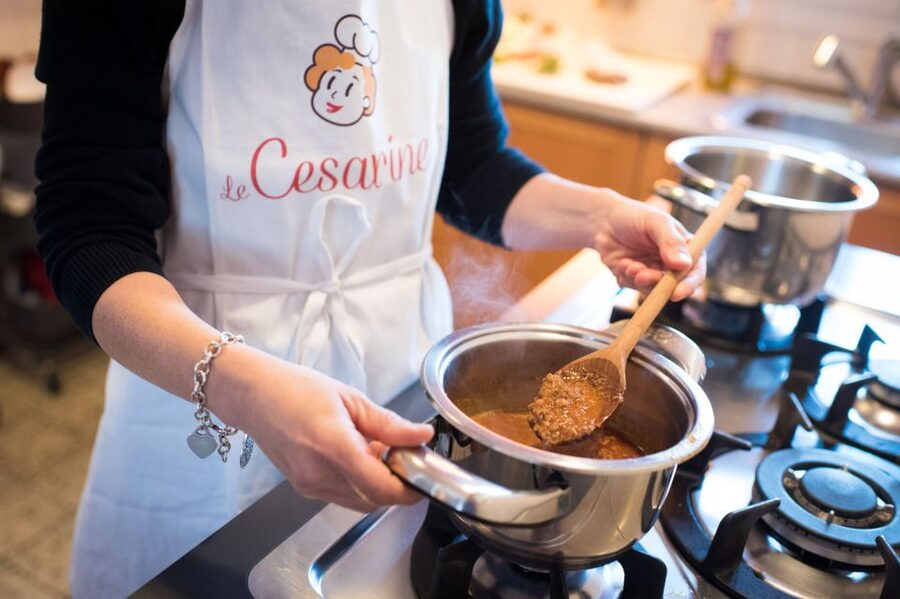
A group capped at 10 sounds small on paper, but it matters in practice. In a bigger class, you can end up doing one task while everyone else watches. In a smaller class, you get real feedback on what you’re doing.
You’ll have your own workstation with utensils and ingredients. That means you can follow steps closely, adjust as you go, and build confidence rather than just collecting facts.
This is also the sweet spot for conversation. Since the host is an expert home cook, you’ll likely swap questions about ingredients, substitutions, and technique. And the tasting part becomes more meaningful because you’re discussing what you made, not what you wish you made.
Starter With Seasonal Ingredients: Learning Italian Timing From Day One
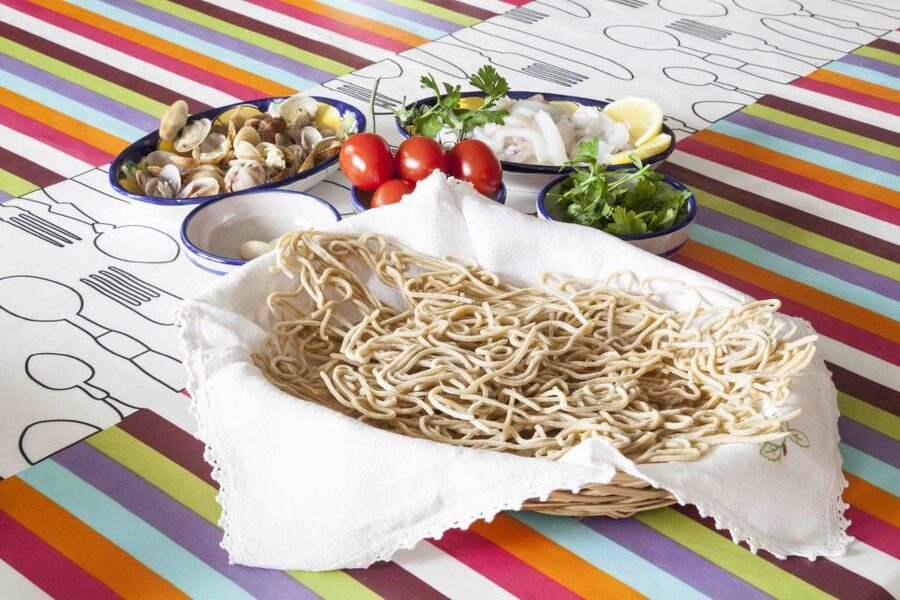
The class menu always includes a starter made with seasonal ingredients. That detail is key. In Italian cooking, “seasonal” is not marketing. It’s the backbone for flavor. Seasonal produce tends to taste better and behaves more predictably in cooking.
During the starter portion, you’ll get your first set of hands-on instructions. You’ll focus on prep skills like slicing, mixing, or assembling depending on the recipe style. More importantly, you learn the timing logic of the course: how to prep so you’re ready for the main event without rushing.
This is where you pick up one of the most useful cooking lessons for Italy: you don’t need complicated steps to get big flavor. You need correct ingredient quality and careful timing. When you taste the starter later, you’ll be able to connect that back to what the host taught.
More cooking classes in Positano:
- Small-Group Cooking Class in Positano: Gnocchi, Tiramisù & Drinks
★ 5.0 · 191 reviews - Positano: Pasta & Tiramisu Cooking Class at a Local’s Home
★ 4.6 · 45 reviews - Positano: Small Group Cooking Class with Prosecco & Dessert
★ 5.0 · 4 reviews - Hands-On Cooking Class & Farmhouse Tour on the Amalfi Coast
★ 5.0 · 956 reviews
Fresh Pasta From the Region: The Part Where Skills Become Confidence
The middle course is fresh pasta from the region. This is the section most people remember because it’s where “I can do this” replaces “I watched this.”
You’ll work with dough and learn how to handle it as you go. Even if you’ve never made pasta, you’ll have everything you need: utensils and ingredients are provided, and the host gives practical guidance in Italian or English.
What you’re really learning here is technique plus rhythm:
- How to get the dough to the right feel.
- How to manage the time so the pasta cooks when it’s ready, not when you’re still figuring out the process.
- How the course fits into the rest of the meal so you don’t end up with cold food and hot stress.
The payoff is not only the pasta itself. It’s the understanding. After this, you’ll be better at ordering pasta in restaurants because you’ll recognize what makes one style feel right.
Dessert the Typical Italian Way: Finishing Clean, Not Complicated
Then comes dessert, described as typical for the region. Dessert in Italian home cooking tends to be less about theatrical plating and more about balance: sweetness level, texture, and how it tastes after a filling meal.
In the dessert section, you’ll work from scratch with the ingredients provided. The goal is a confident finish, not perfection. If you’ve been afraid of baking or dessert technique, this is where you can loosen up. The host’s job is to help you land the recipe in a way that works in a real kitchen.
One practical benefit of cooking dessert in the class is that you can taste the final result while your memory of the steps is fresh. You’ll connect what you did to the outcome, which is the fastest way to improve for next time.
Wine Pairing and Tasting: Eating Your Work Like a Local
This experience includes beverages with your meal. You’ll taste everything you prepared accompanied by a selection of local wines, including both red and white. Water and coffee are also included.
I like this part because it stops the class from becoming a lesson you forget. When you taste with wine, you can adjust your thinking about salt, acidity, and richness. If the pasta tastes a bit flat, for example, you’ll understand that flavor needs more than just good ingredients. And if the dessert leans too sweet, you’ll notice how coffee helps reset your palate.
Also, tasting in the same session helps you notice texture differences. Pasta and dessert are easy to mess up if you rush. Eating right after preparation makes the lesson stick.
Learning the Host’s Tricks: Why Family Cookbooks Matter
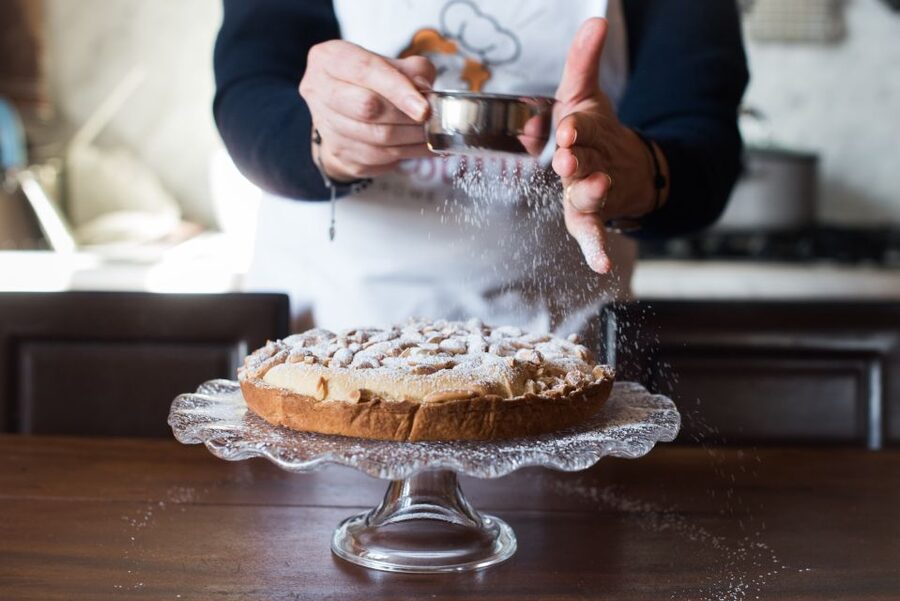
A standout feature is that your local host shares the story behind the food, often using local specialties from their family cookbooks. That’s more than sentimental decoration. It explains why certain recipes survive and others fade.
This is where you pick up “tricks of the trade,” the small adjustments that don’t always make it into restaurant recipes. The host might explain what to look for during mixing, how to judge readiness by feel, or how they think about ingredients based on what’s available locally.
This is also where the conversation becomes useful. If you ask about substitutions or what to buy in the market, you’re more likely to get an answer that matches how people actually cook at home.
And yes, people do talk and laugh. One past class experience highlighted hosts like Carla and Rocco for their excellent guidance and humor, which is a good sign that the tone is relaxed and friendly. Another mentioned an instructor named Antonio delivering clear teaching and a meal that felt like the best so far in Italy. The common thread: strong teaching paired with genuine hospitality.
Price and Value: Is $243.56 Worth It?
At $243.56 per person for a 3-hour class, the price isn’t low. But it’s also not random. Here’s what you’re paying for, in practical terms:
- A small group limited to 10 participants.
- A local home cook with instruction in Italian or English.
- Ingredients and utensils provided at your workstation.
- Three dishes made from scratch (starter, fresh pasta, dessert).
- Wine and beverages included, plus water and coffee.
- Local taxes included.
If you compare this to the cost of cooking classes that only cover one dish, you can see the value math shift. Three courses in one session, plus tasting and wine, is a meaningful bundle. It also replaces at least one restaurant meal because you’re eating what you make.
The best value comes if you’re the type who likes doing things, not just watching. If you enjoy markets, flavors, and hands-on technique, this price starts to make sense. If you mainly want sightseeing, a cooking class might feel like a detour.
Practical Notes for a Smooth 3-Hour Kitchen Session
Plan for a full 3 hours. This isn’t a quick taste-and-leave format. You’ll cook, then taste everything you made, paired with local wines.
A couple of practical tips based on how these home-kitchen classes typically run:
- Wear something you can move in. Kitchens get warm, and hands get busy.
- Be ready to taste along the way. Don’t think of tasting as a bonus. It’s part of learning.
- If you have food intolerance or allergies, you should flag it during booking. The experience asks for details like intolerances, allergies, and the neighborhood you’re staying in.
Also note that the experience is not suitable for wheelchair users. If mobility is a factor for you, it’s worth considering alternate options.
Finally, this is a small-group activity, so you’ll want to arrive on time once you have the address.
Who Should Book This Cooking Class in Positano?
You should book if you want a real local experience where you’re active the entire time. It’s ideal for:
- Food lovers who want hands-on skills, not just a meal.
- Couples and small groups who like a guided, social format.
- Travelers who enjoy Italian regional differences and want the “why,” not only the recipe.
It’s also a strong choice for visitors who feel a little overwhelmed by Italian menus. After you cook pasta and dessert, ordering becomes easier and less intimidating.
If you hate cooking, this probably won’t fit. But if you’re curious and want to learn, you’ll come away with confidence and a better sense of what makes Campania cooking tick.
Should You Book This Positano Home Cooking Class?
I’d book it if you want a structured, friendly way to learn Italian cooking in a real home, with three courses and wine included. The small-group size, the workstation setup, and the fact that beverages and taxes are built in make it feel like a fair package.
Skip it if you need a big, public-facing landmark experience, or if you’re likely to get stressed by a privacy-based address and possible nearby location. Also skip if you have mobility limits that make home kitchens hard to navigate.
If you want a morning or afternoon where you leave with actual skills, a full stomach, and a story you can tell, this is a strong pick.
FAQ
How long is the cooking class?
The experience lasts 3 hours. Starting times can vary, so you’ll need to check availability for your preferred schedule.
What size is the group?
It is a small group limited to 10 participants.
Where does the class take place?
It is held in a local’s home. For privacy reasons, you receive the full address only after you book.
What will I cook?
The class includes making an appetizer with seasonal ingredients, fresh pasta from the region, and a typical dessert. You prepare all three from scratch.
Is instruction provided in English?
Yes. The instructor teaches in Italian and English.
Are meals and drinks included?
Yes. You’ll taste the three recipes you prepare, and beverages are included, including water, local wines, and coffee.
Is the price inclusive of taxes?
Yes. Local taxes are included.
Can I pay later or keep flexibility?
Yes. The option is reserve now and pay later, so you can book your spot without paying immediately.
What is the cancellation window?
Free cancellation is available up to 24 hours in advance for a full refund.
Is it wheelchair accessible?
No. It is not suitable for wheelchair users.
Recently reviewed around Positano
- Sorrento, Positano and Amalfi – with optional boat ride★ 4.7 · 7 reviews
- Positano & Amalfi Coast Sightseeing Bike Tour★ 5.0 · 7 reviews
- From Sorrento: Round-Trip Ferry Ticket to Capri and Positano★ 4.0 · 74 reviews
- Positano: Pasta & Tiramisu Cooking Class at a Local’s Home★ 4.6 · 45 reviews
- Positano: Private Sunset Boat Experience★ 5.0 · 10 reviews
- From Positano: Amalfi and Ravello Private Day Trip★ 4.9 · 8 reviews
- From Positano: Private Boat Tour to Capri or Amalfi★ 4.9 · 55 reviews
- Private Positano & Amalfi Excursion by boat from Sorrento★ 3.3 · 3 reviews
Positano Tours, compared.


Day Trip to Positano, Amalfi & Ravello from Sorrento
Read our review →
From Naples/Salerno: Group Tour to Positano, Amalfi, Ravello
Read our review →



Full-Day Boat Tour to Positano, Amalfi and Ravello
Read our review →
Amalfi Coast & Positano: Boat Tour with Snorkeling & Drinks
Read our review →Browse the lists this tour appears in